Kurt Cobain (1967-1994)

“They laugh at me because I’m different; I laugh at them because they’re all the same.”
Розовото езеро Hillier
Хилиър (Hillier) е езеро, разположено на остров Мидъл, който е най-големият от архипелага Решерш, разположен недалеч от южните брегове на Западна Австралия. Особено за това езеро е, че цветът на водата в него е розов. Езеро е с дължина от 600 метра и широчина от 250 метра.
 През 1950 г. екип от учени се заема с изследването на розовия цвят на езерото. Те се надявали да открият в солените му води особен вид водорасли Dunaliella salina, образуващи червен пигмент и виреещи в други подобни езера в Австралия, например в това край град Есперанс във вътрешността на страната. Но пробите с вода от Хилиър не съдържали такива водорасли и причината за цвета на водите му се оказват соленолюбиви микроби, обитаващи водите на езерото. То е безопасно и в него може спокойно да се плува.
 Първите сведения за розовото езеро на остров Мидъл датират от 1802 г., когато британският мореплавател и хидрограф Матю Флиндърс посещава тези места на път за Сидни. След него в периода между 1820 и 1840 г. на острова се заселват за кратко ловци на китове и тюлени. В началото на XX век започват да добиват сол, но след 6 години се отказват и от тогава островът с розовото езеро почти не е посещаван.


Общество – лошо качество
В последните дни по вестници и телевизии се тръби, че резултатът от матурите за седми клас е плачевен, че двойките са повече от всякога, че децата са незнаещи и това било много тревожно.
Истината е, че това е истина.
Децата ходят на училище, само защото е задължително, а не защото са убедени, че трябва да придобият знания и умения. Те просто присъстват. Нищо и никой не може да ги накара да се замислят над учебния материал. Нито учителите, нито родителите.
Първите отдавна не са онези авторитетни респектиращи личности и просветители, които трябва да бъдат. За голяма част от тях основна тема, заслужаваща внимание, е заплащането. Да не говорим, че отдавна ги няма онези български учители, които не жалеха лично време да поработят индивидуално с изоставащ ученик. Пък тя тази професия си изисква и любов към децата. Но в нашето съвремие, това са трудно достъпни идеали за доста от педагозите. Родителите пък, са основно два типа хора. Едните тънат в безизходица между безработицата и безпаричието, високите сметки и нарастващите кредити за битови нужди и се чудят, ако днес са си легнали сити, какво ще сложат утре на трапезата. В такава отровна жизнена среда, на кой му остава време да прояви интерес какво се случва с образованието на децата му? Другият тип родители пък, онези новобогаташи със скъпи коли и дебели ланци, са решили, че като задоволят материалните потребности на синчето и щерката с това се изчерпва отговорността им към тях. Липсата на всякаква духовност и ценностна система у тия хора оставят след себе си едно уродливо разбира се поколение, което не смята за своя необходимост да се образова и изгражда в каквато и да е сфера, тъй като се чувства способно с пари всичко да си купи – и диплома и шофьорска книжка и каквото там е необходимо. В същото това време държавният управленски апарат предоставя прекрасна възможност за реализация на всичките тези порочни практики. Корупция и задкулисие се шири сред висши и по-нисши чиновници и с това се дава зелена светлина на невежеството, некадърността, безхаберието. Защо тогава се дискутират подобни теми, за слаби резултати от матурите или че децата на България са незнаещи двойкаджии? Пред обществото ни е надвиснала реалната опасност то рязко да влоши качеството си.
Некачествените хора не могат да градят качество. Съзидателната функция е присъща на знаещите, можещите, мислещите, родолюбците и колкото по-малко са те, толкова по-малки са шансовете ни да изградим светлото си бъдеще. Осъзнаваме го, но си траем, сякаш не се случва на нас. Едни от страх, други от равнодушие. Има един начин да преодолеем натрупалите се през годините проблеми и да тръгнем в правилната посока: трябва да престанем да мълчим. Трябва да говорим, да крещим дори, за да не останат нечути тревогите ни. И ако този, който трябва да чуе, не иска да чуе, трябва да бъде сменен с народовластие. Защото нашите тревоги днес, ще се превърнат в непреодолима зараза утре, която ще ни унищожи. Ще ни превърне в биологични единици без никакви други потребности освен две: хляб и цокало.
Та така, уважаеми сънародници.
Автор: Иваничка Колева
Клементинум – най-красивата библиотека в света
Клементинум (Clementinum) е исторически комплекс от сгради в центъра на Прага, разположен непосредствено до Карловия мост. Историята му започва от параклис, посветен на св. Климент. През Средновековието на това място е основан Доминикански манастир, който бил преобразуван в йезуитски колеж през 1556 година. През 1622 година йезуитите преместват библиотеката на Карловия университет в Клементинума и колежът се слива с университета през 1654 година. Йезуитите остават тук до 1773 година, когато Клементинум е превърнат в обсерватория, библиотека и университет от австрийската императрица Мария-Терезия.
 Бароковата библиотека в Клементинум е отворена за пръв път през 1722 година като част от Йезуитския университет. Тя пази над 20 000 тома от предимно чужда теологическа литература от началото на XVII век до наши дни. Със своята впечатляваща барокова архитектура, Клементинум, заемащ 20 000 кв. метра площ, е вторият най-голям комплекс от сгради в Прага след Пражкия замък. Библиотеката е една от най-красивите в света.

Интериорът на бароковата библиотека остава непокътнат от създаването си през XVIII век. Залата е декорирана с фрески по тавана, изрисувани от Ян Хибл и представящи с алегорични мотиви образованието и портрети на йезуитски светци, покровители на университета и видни представители на този орден. В предната част на залата се намира портрет на император Йозеф II, който урежда книги от изоставени манастирски библиотеки да бъдат преместени в Клементинум. Също толкова впечатляваща е колекция от географски и астрономически глобуси, разположени в средата на библиотеката. Това са главно творби на йезуитите. Сред глобусите се намират още астрономически часовници, конструирани главно от Ян Клайн.

През 1781 г. директорът на библиотеката Карел Рафаел Унгар урежда колекция от литература на чешки език, наречена Библиотека Националис (Biblioteca Nationalis), поставяйки по този начин началото на национална библиотека. Тази колекция остава със същото име и до днес, и се намира в предната част на залата. Понастоящем библиотеката притежава колекция от ценни и уникални творби със световно значение.

Трябва да се отбележи и фактът, че Националната библиотека е предоставила на Гугъл (Google) някои исторически книги за дигитализация. След приключване на този процес книгите ще са налични в дигиталната библиотека на Гугъл (Google Books).
Тъй като библиотеката е рядко и малко познато съкровище, тя се свързва с няколко малко познати факта: Клементинум е бил третият най-голям йезуитски колеж в света; той е най-старата метеорологична станция в Чехия и записването на местното време започва тук през 1775 гoдина, като продължава да функционира и днес; Клементинум е споменат в един от романите на испанския писател Хорхе Луис Борхес.
Craps
[cardgame title=craps id=785]
Bingo
[cardgame title=super-bonus-bingo id=543]
Deuces
[cardgame title=bonus-deuces-wild id=284]
Keno
[cardgame title=keno id=253]
Slots
[cardgame title=snake-slot id=564]
Blackjack
[cardgame title=blackjack-mobile id=10]
Baccarat
[cardgame title=high-limit-baccarat id=702]
Poker
[cardgame title=caribbean-poker-mobile id=12]
Изкуство върху канализационни шахти
Всяка община в Япония има запазен знак, който е изобразен върху всички канализационни шахти в административната единица. Този запазен символ може да бъде открит в 1780 общини в страната на изгряващото слънце (или 95% покритие). Безспорно е, че японците проявяват креативност дори и в на пръв поглед незначителни детайли, така че да превърнат обикновени предмети в произведения на изкуството.
Нека видим!


Ювелирното изкуство на Фаберже
Яйцата на Фаберже са сред най-скъпите бижутерийни изделия в света. Те привличат погледа като магнит с царствената си осанка и сияние. Всяко от тях е вълшебство. Добре дошли в магическия свят на Faberge – Бащата на яйцето. Първото яйце на Фаберже се излюпва през 1885 година. То е поръчано от руския император Александър III като великденски подарък за съпругата му Мария Фьодоровна. След дълго странстване из различни колекции, 1885 Hen Egg се завърна обратно у дома. То беше откупено от близкия до Владимир Путин олигарх Виктор Векселберг. Това се случи през 2004 година, когато в Ню Йорк беше извършена безпрецедентна сделка: бизнесменът плати за уникалната колекция от яйца над 100 милиона долара.

Тогава той заяви: „В продължение на десетилетия ни говореха, че „изкуството принадлежи на народа”. Междувременно милиони шедьоври на живописта, скулптури и предмети от ювелирното изкуство напускаха Русия. Много от тях се превърнаха в перли в короната на най-големите музеи по света, следите на други се изгубиха в частни колекции. Никой не беше в състояние да попречи на това и хората се утешаваха, че автентичното изкуство принадлежи на историята и културата на цялото човечество. Но в душата си те чудесно разбираха, че то принадлежи преди всичко на родината си – на земята, където е създавано. Времената, за щастие, се промениха. Днешна Русия вече не разпродава и не разкъсва своето културно наследство. Тя се учи да го цени и пази. Освен това, някои съкровища на руското изкуство, които смятахме за безвъзвратно изгубени, започнаха да се връщат у дома. Преди 10 години дори и не допусках в мислите си, че световно известната колекция от произведения на великия руски бижутер Петер Карл Фаберже, която в продължение на половин век е събирал американският предприемач Малкълм Форбс, ще бъде продавана. Още по-малко съм си представял, че аз ще бъда купувачът. Но невъзможното стана възможно и 9 императорски великденски яйца се прибраха у дома”.

Петер Карл Фаберже (Peter Carl Faberge с истинско име Карл Густавович Фаберже) се ражда на 30 май 1846 година в Санкт Петербург, Русия, в семейството на Густав Фаберже. Баща му е естонец от емигрирал френски хугенотски род, а майка му е датчанката Шарлот. Малкият Карл има шанса да расте в Италия, Франция, Германия и Великобритания. Още през 1842 година неговият баща основава бижутерска фирма в Санкт-Петербург. Едва на 24 години, Карл оглавява бащината фирма, след като е изучил тънкостите на бижутерското изкуство. Изпод пръстите на Карл Фаберже излизат десетки изящни предмети от злато и сребро, малахит, топаз, лазурит, кристал и десетки други материали. С майсторството си той ще си спечели титлата „Ювелир на Негово Императорского Величество и ювелир на Императорския Ермитаж”. Звездният миг на Фаберже идва през 1885 година, когато император Александър III поръчва декоративното великденско яйце за жена си. Първото яйце си има история. През XVIII век се правели бижутерийни великденски яйца със скрита кокошчица, в която имало коронка, а в нея – пръстен. Именно такова било и първото яйце на Фаберже, подарено на Мария Фьодоровна, която, също като Карл Фаберже, имала датски корени. Подаръкът е оценен по достойнство и на бижутерската фирма са поръчани още една дузина великденски яйца.
 В света има 71 яйца на Фаберже. 54 от тях са били императорски. Александър III превръща това в традиция и за всеки Великден подарява по едно такова бижу на съпругата си, а след смъртта му традицията е продължена от неговия син Николай II. Той подарява яйца както на своята съпруга Александра Фьодоровна, така и на майка си. Съществуват и петнайсетина яйца, направени от фирмата Фаберже за частни лица. И ако императорските яйца всеки път са различни и подготовката за изработването им започва още веднага след празника, така че реализацията отнема близо година, то яйцата за частни лица копират сюжети от императорските. Цели седем скъпоценни яйца принадлежат на фамилията Келх. Индустриалецът решава да повтори императорския жест и подарява първото великденско бижу на жена си. Традицията е прекъсната, когато за семейството настъпват проблемни времена, включително и от финансово естество. Неимператорски яйца са правени и по поръчка на Феликс Юсупов, представител на знатна фамилия, който по-късно ще стане убиецът на така ценения от Александра Романова Распутин. Такива яйца има също у племенника на Алфред Нобел и херцогиня Марлборо, както и в династията Ротшилд, Императорските яйца Фаберже имат достатъчно разнообразни сюжети: това може да са яйца-часовник или яйца с различни фигурки и миниатюри вътре в тях.

Сред най-скъпите е „Зимното яйце”, направено от планински кристали и с украса от платина и 3000 розови диаманта. През 2002 година то беше продадено на търг в лондонската аукционна къща Кристис за $9.6 млн. долара. Пет години по-късно руският бизнесмен и колекционер Александър Иванов поправи рекорда, като брои за Ротшилдовото яйце 18.5 милиона долара. В годините на революцията някои от яйцата на Фаберже са изгубени, но повечето са откарани в Кремъл, където се съхраняват до 1930 година. После започва голямата разпродажба. Много от тях са купени от Арманд Хамър. В колекцията на Форбс попадат 11 императорски и 4 частни яйца. Днес много от яйцата на Фаберже се намират в различни колекции в САЩ, пет са в Музея на изкуството на Вирджиния, три в Музея на изкуството на Ню Орлиънс, пак три са притежание на британската кралица Елизабет Втора. Швейцарската фондация „Едуард и Морис Сандос”, музеят „Хилууд” във Вашингтон и художествената галерия „Уолтърс” в Балтимор имат по две. Принцът на Монако Рение Трети се любува на едно, яйце има и в Музея на изкуството на Кливланд. Всяко от яйцата на Фаберже има своя съдба и история. Само едно успява да напусне революционна Русия заедно със своята законна собственичка, императрица Мария Фьодоровна. То е подарък за нея от Николай ІІ, след като е удостоен с наградата „Орден на Свети Георги”.

Не всички от яйцата са дело на самия Фаберже. Над повечето е работил екип от бижутери към неговата фирма, сред които Август Холстрьом, Хенрик Уигстром, Ерик Колин, Михаил Перхин. Освен автентичните яйца на Фаберже има и многобройни копия, които по изяществото си не отстъпват на оригиналите. През 1937 година търговската марка попада в ръцете на Самуел Рубин. През 1989 гodina собственик на прочутия бранд стана англо-холандският производител на потребителски стоки Unilever, който превърна Faberge в козметична и парфюмерийна марка. През 2009 година се появи бижутерската къща Faberge, която принадлежи на южноафриканския бизнесмен Брайън Гилбъртсън. През 2011 година Виктор Векселберг се опита да откупи марката, но не успя.
Вижте блясъка и разкоша на Фаберже, заключен в черупката на едно яйце.


Putterham Circle Shopping

Putterham Circle is the commercial district for South Brookline. An upscale neighborhood with a suburban feel, South Brookline was farmland until the late 18th century, when wealthy Bostonians began to divide the hilly land into country estates. At that time, children in the area attended The Putterham School, a one-room schoolhouse built in 1768. Used until the early 20th century, the structure was eventually moved to Larz Anderson Park where it can be seen today.
Putterham Circle offers a variety of shopping, dining and recreational options. Cheryl Anns’ Bakery has award winning challah and is known for its wide assortment of baked goods including black and white cookies. Stephanie’s Flowers creates flower arrangements and edible gift baskets to suit any occasion. For those with dining in mind, Mandarin Gourmet serves Chinese cuisine that rivals some of the best restaurants in Chinatown. Nearby, golf enthusiasts flock to the Robert T. Lynch Municipal Golf Course at Putterham Meadows. This public course offers 18 holes of golf, as well as instruction for adults and children.
Putterham offers a number of services and shops at The Shops at Putterham. The small center includes a florist, dry cleaners, nail and hair salon, custom framing, stationary store, and bank. The Grove Street Market also provides any necessary groceries as well as a selection of beers and wines.
Getting to Putterham Circle from Boston
By subway, take the green line C “Cleveland Circle” train to the Cleveland Circle stop.
From Cleveland Circle, transfer to the #51 bus (Cleveland Circle – Forest Hills Station via Hancock Village).
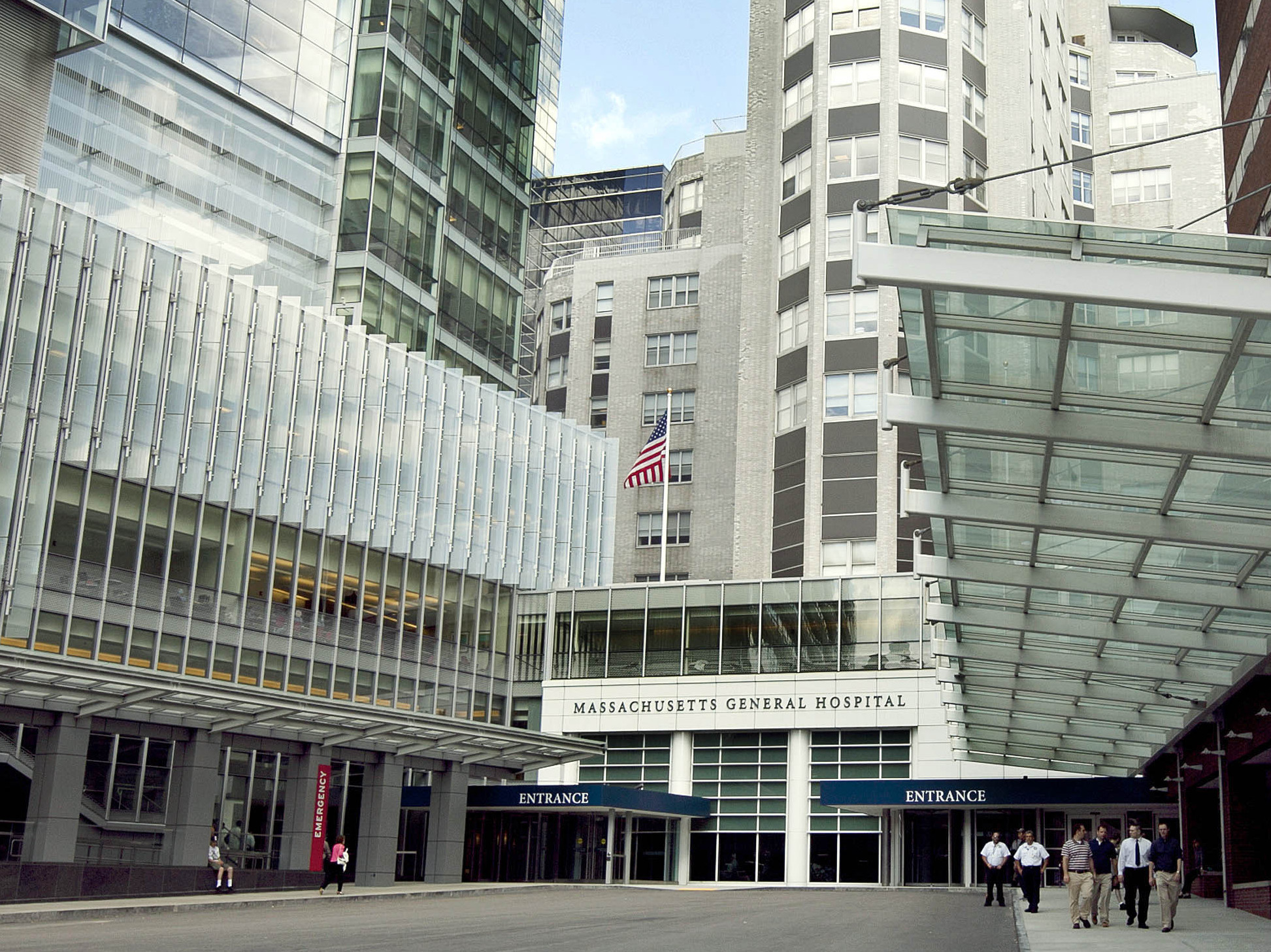
Massachusetts General Hospital

Massachusetts General Hospital
55 Fruit Street
Boston, MA 02114
Tel.: 617-726-2000
URL: Massachusetts General Hospital
Massachusetts General Hospital, or Mass General, is one of the oldest hospitals in the United States and certainly the oldest in New England. Mass General is known for its specialties in cancer research, digestive disorders, heart disease, transplantation, and vascular medicine research.
This broad spectrum of expertise makes Mass General a unique place for medical research and patient care, including pediatric care for any young patient through the Mass General for Children Center. Mass General Hospital has an extensive research program that is granted $550 million a year from the government in order to be on the cutting edge of science, technology, and medicine, and is the founding teaching institution for the Harvard Medical School. It is also considered a Magnet hospital by the American Nurses Credentialing Center, one of the highest awards for nursing excellence given.
Founded in 1811, Mass General Hospital has always been dedicated to patient care and medical research. Today, the hospital hosts about 900 beds and, between its Main Campus and four external branches, sees 1.5 million visitors a year. In 1994 Mass General collaborated with Brigham and Women’s Hospital to create Partner’s Healthcare System, Inc, which is focused on providing cost-conscious and top-notch medical care to the extended Boston community. The program treats patients in any areas, from primary care to rehabilitation and places emphasis on medical research.
Mass General has always been innovative in the medical field. In 1846 it was the first place at which painless surgery was performed through the use of ether as an anesthetic. Mass General Hospital was also the first hospital in the United States to take an X-ray, which it did only a month after the technique had been invented. Then, in 1962, Mass General hosted the first reattachment of a severed limb. Researchers at Mass General were also the first to discover the genes for Huntington’s disease, Lou Gehrig’s disease, and neurofibromatosis type 2. In the ‘90s researchers from Massachusetts General Hospital developed a treatment for AIDS that led to a drastic symptomatic improvement in those infected with the disease.
Mass General is located near the Charles/MGH stop on the MBTA red line. The MBTA also offers a special service call THE RIDE for anyone who is unable to use public transportation. You can become eligible for this service through an application process.
Gibson House Museum
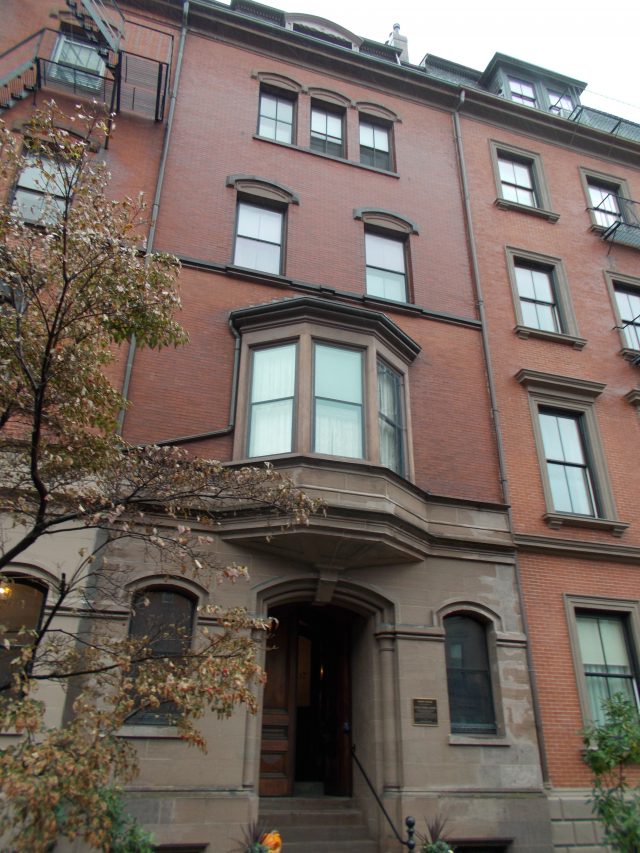
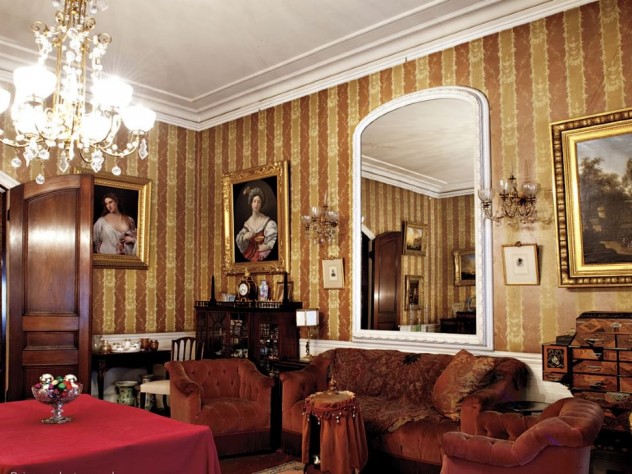
Completed in 1860, the Gibson House stands virtually untouched as a historic house museum in Back Bay. In 2001, the National Park Service designated Gibson House as a National Historic Landmark. A unique and unspoiled single-family residence, it retains its kitchen, scullery, butler’s pantry, and water closets, as well as formal rooms and private quarters. Designed in the Italian Renaissance style by noted Boston architect Edward Clarke Cabot, the house is built of brownstone and red brick. The interiors are filled with the Gibsons’ original furnishings – elegant wallpapers, imported carpets, an abundance of furniture, paintings, sculpture, photographs, silver, porcelain, curios, and other nineteenth-century family heirlooms. Visitors enjoy a glimpse into the lives of a well-to-do Boston family and its domestic staff.
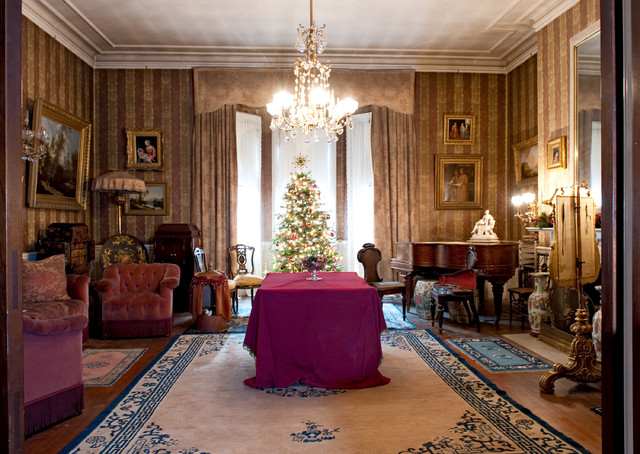 The Gibson family story begins with the pioneering move of the widow Catherine Hammond Gibson and her son, Charles Hammond Gibson, from the top of Beacon Hill to the just-developing flats of the Back Bay. In the 1860s, Back Bay was in the early stages of transformation from a malodorous marsh to the most fashionable residential neighborhood in the city. The man-made land of the Back Bay was the largest public works project of its time.
The Gibson House Museum exists because of the vision of Charles and Rosamond’s middle child, Charles Jr., a poet, travel writer, horticulturist, and colorful bon vivant.
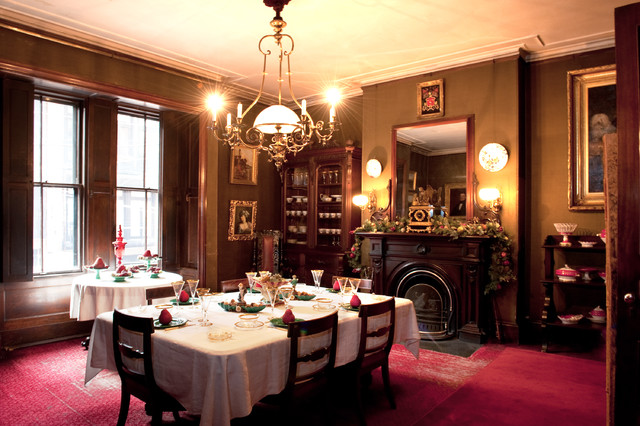 Charles was caught in a changing world, as families moved to the suburbs and left their townhouses to be converted into rooming houses, schools, and dormitories, As early as 1936, Charles Jr. decided to preserve his nineteenth-century townhouse as a museum. The furniture was roped off with gold cord, and guests were invited to sit on the stairs while sipping their tea or martinis (made from his own bathtub gin).
Charles Jr., the last of three generations to live in the house, died in 1954. The Gibson House was officially opened to the public as a museum in 1957.
Gibson House Museum
137 Beacon Street
Boston, MA 02116
Tel.: 617-267-6338
E–mail: info@thegibsonhouse.org
URL: TheGibsonHouse.org
Hours – guided tours only:
| Monday | closed |
|---|---|
| Tuesday | closed |
| Wednesday | 1:00 p.m., 2:00 p.m., 3:00 p.m. |
| Thursday | 1:00 p.m., 2:00 p.m., 3:00 p.m. |
| Friday | 1:00 p.m., 2:00 p.m., 3:00 p.m. |
| Saturday | 1:00 p.m., 2:00 p.m., 3:00 p.m. |
| Sunday | 1:00 p.m., 2:00 p.m., 3:00 p.m. |
Boston Children’s Museum
Specialties
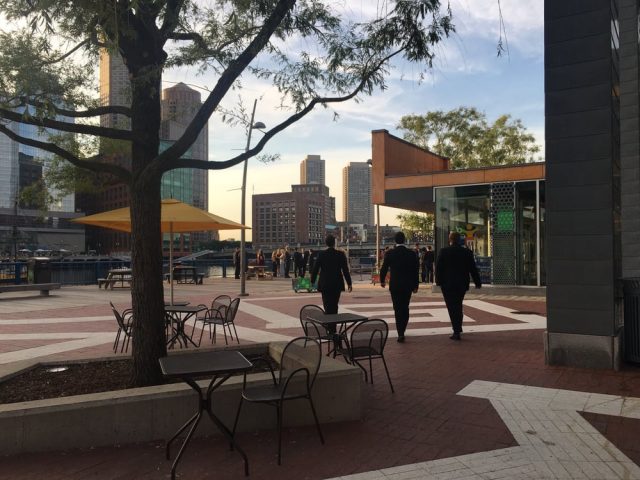
Boston Children’s Museum engages children and families in joyful discovery experiences that instill an appreciation of our world, develop foundational skills, and spark a lifelong love of learning.
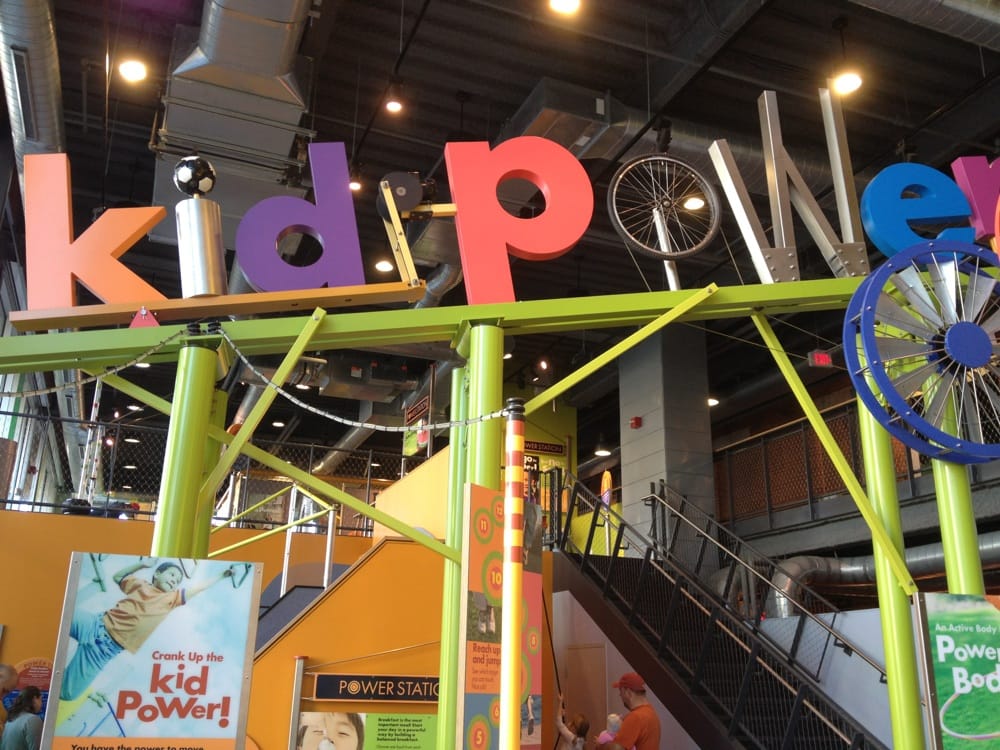 Boston Children’s Museum is a welcoming, imaginative, child-centered learning environment that supports diverse families in nurturing their children’s creativity and curiosity.
We promote the healthy development of all children so that they will fulfill their potential and contribute to our collective wellbeing and future prosperity.
History
Established in 1913.
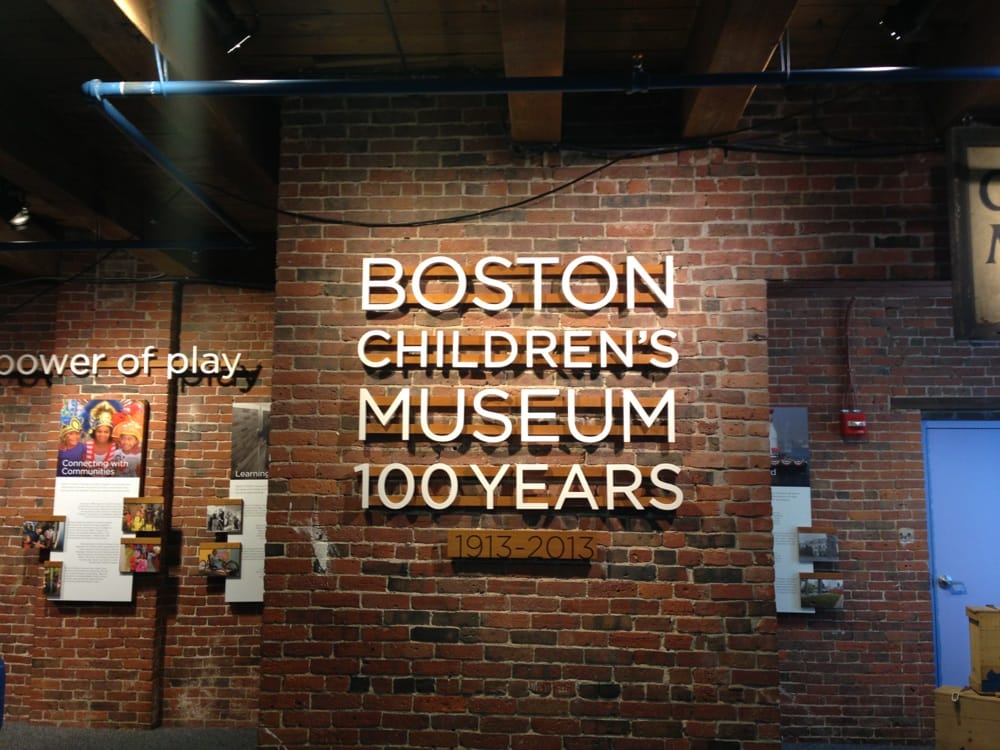 Founded in 1913 by a group of teachers in Boston’s Jamaica Plain neighborhood, Boston Children’s Museum began a “hands-on” tradition long before that phrase became commonplace.
As early as 1913, it meant engaging youth in identifying and marking nature walks, preparing specimens, making clay and wax models for exhibits, and even attempting a working model of the metropolitan water system.
The 1920’s and 1930’s began an era of Museum sponsored clubs that gave children the opportunity to explore the unfamiliar with naturalist hikes and bus trips.
In the 1960’s, Michael Spock (museum director 1962-1985) led the institution in revolutionizing the traditional museum experience, getting objects out of cases and into children’s hands in exhibit areas where children could interact, experiment, and follow their own curiosity. Hands-on learning is now a part of American education and we are proud to have had a “hand” in it from the beginning.
Boston Children’s Museum
308 Congress Street
Boston, MA 02210
Tel.: 617-426-6500
URL: BostonChildrensMuseum.org
Hours:
| Monday | 10:00 a.m. – 5:00 p.m. |
|---|---|
| Tuesday | 10:00 a.m. – 5:00 p.m. |
| Wednesday | 10:00 a.m. – 5:00 p.m. |
| Thursday | 10:00 a.m. – 5:00 p.m. |
| Friday | 10:00 a.m. – 5:00 p.m. |
| Saturday | 10:00 a.m. – 5:00 p.m. |
| Sunday | 10:00 a.m. – 5:00 p.m. |
USS Constitution
Mission
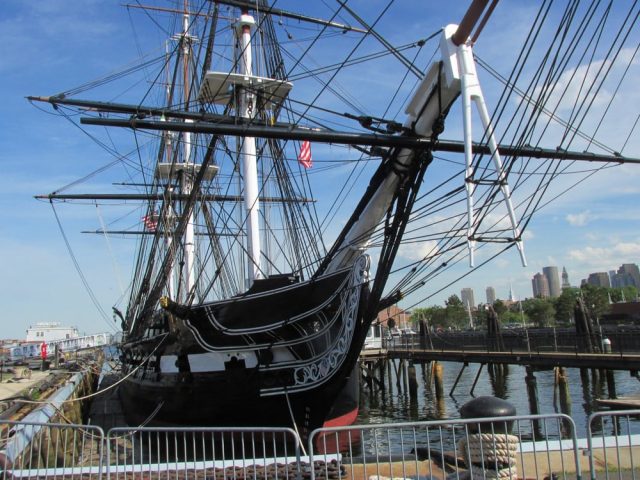
The USS Constitution Museum serves as the memory and educational voice of USS Constitution, by collecting, preserving, and interpreting the stories of “Old Ironsides” and the people associated with her. We seek to create a positive, memorable experience for both children and adults by inspiring within them a love for the freedom that Constitution symbolizes. We will share Constitution’s contributions with a global audience, and we will strive to be the best museum possible based on scholarship and innovative ways of sharing Constitution’s stories.
Vision
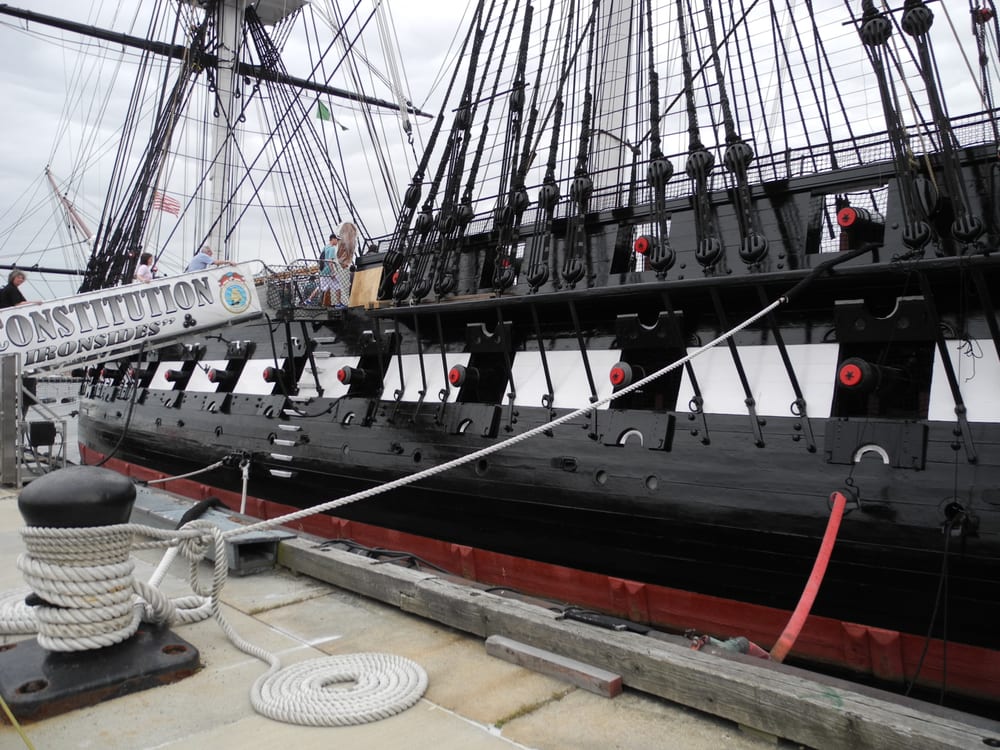 The USS Constitution Museum ensures that the stories of USS Constitution and those who shaped her history are never forgotten, always remain relevant, and inspire as many people as possible.
Strategy
The Museum will provide a hands-on, minds-on environment where inter-generational groups seeking an enjoyable, educational experience can have fun and learn as they explore history together.
History
As the memory and educational voice of USS Constitution, the USS Constitution Museum preserves, displays, and interprets artifacts and archival material related to the Ship and her crew through interactive exhibitions, compelling programs, and engaging outreach initiatives. The Museum was incorporated in 1972 as a private, non-profit and non-government funded interpretive complement to USS Constitution, an active-duty US Navy vessel and the oldest commissioned warship afloat in the world. This allowed the Navy to clear Constitution’s decks of display cases so that visitors could see the Ship as a sailing vessel, rather than as a floating museum, and for artifacts to be cared for in proper environmental conditions.
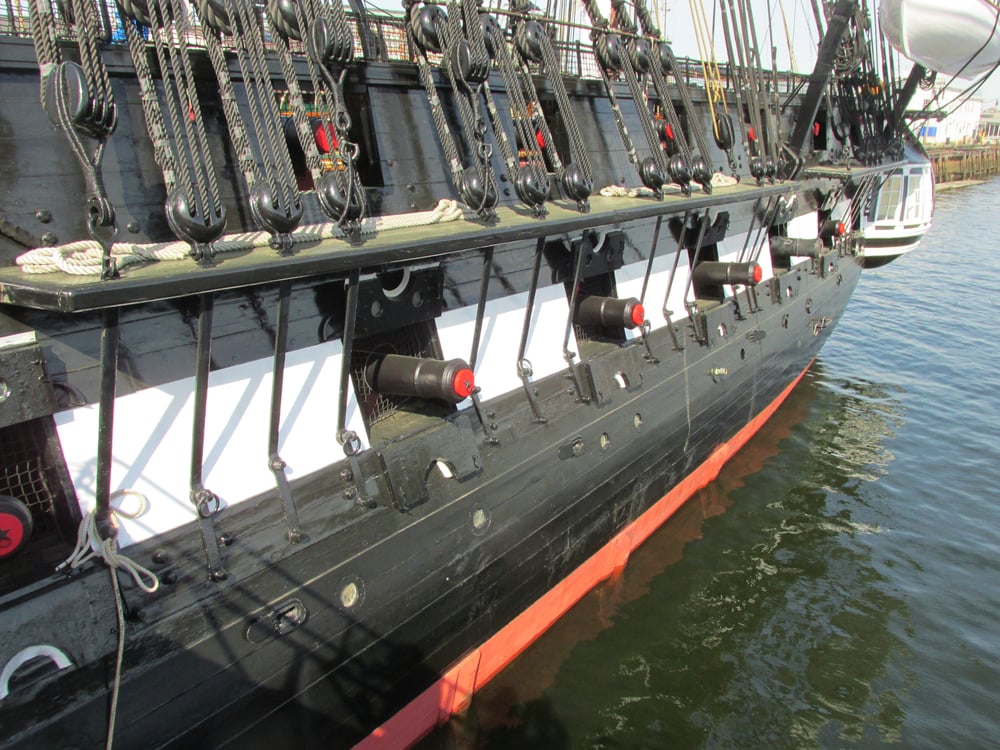 On April 8, 1976, naval historian Samuel Eliot Morison cut the ribbon to open the Museum to the public in its present facility in Charlestown Navy Yard’s Building 22 (the old pump house for Dry Dock #1), located just across the pier from “Old Ironsides.” Since opening, the Museum has doubled in size and quadrupled in visitation! Working with the National Park Service, the Museum expanded into two adjacent buildings and built a connecting corridor in the mid-1990s. In 2001, the Museum completed renovations on a new state-of-the-art collections storage facility and research library. Today, over 300,000 people visit the Museum each year to learn, explore, and research, making it Boston’s fourth most visited museum (source: Boston Business Journal).
Reaching a National Audience
 The Museum works hard to reach beyond its walls and provide engaging educational experiences to audiences across the nation. For over a decade, the Museum has provided its award-winning All Hands on Deck curriculum free of charge to teachers and homeschoolers in all fifty states and twelve foreign countries. Between 2000 and 2009, Museum staff and Navy personnel took the stories of Constitution and her crew to students and citizens across the country through an innovative program called “‘Old Ironsides’ Across the Nation.” This pioneering model earned the USS Constitution Museum one of only three National Awards for Museum Service in 2003.
Engaging Families
With the assistance of the Institute of Museum and Library Services, the USS Constitution Museum initiated the Family Learning Project in 2004 to search for a more engaging exhibit format for history museums. Since then, the Museum has established itself as a leader in the family learning field, developing online resources, hosting workshops, and sharing its research with museum professionals across the country and around the world. The Family Learning Forum, an online repository and discussion space for museum professionals, offers scholarship, exhibit and program ideas, tangible takeaways, success stories from other institutions, and evaluation strategies designed to help museums encourage family learning and conversation in exhibits and programs.
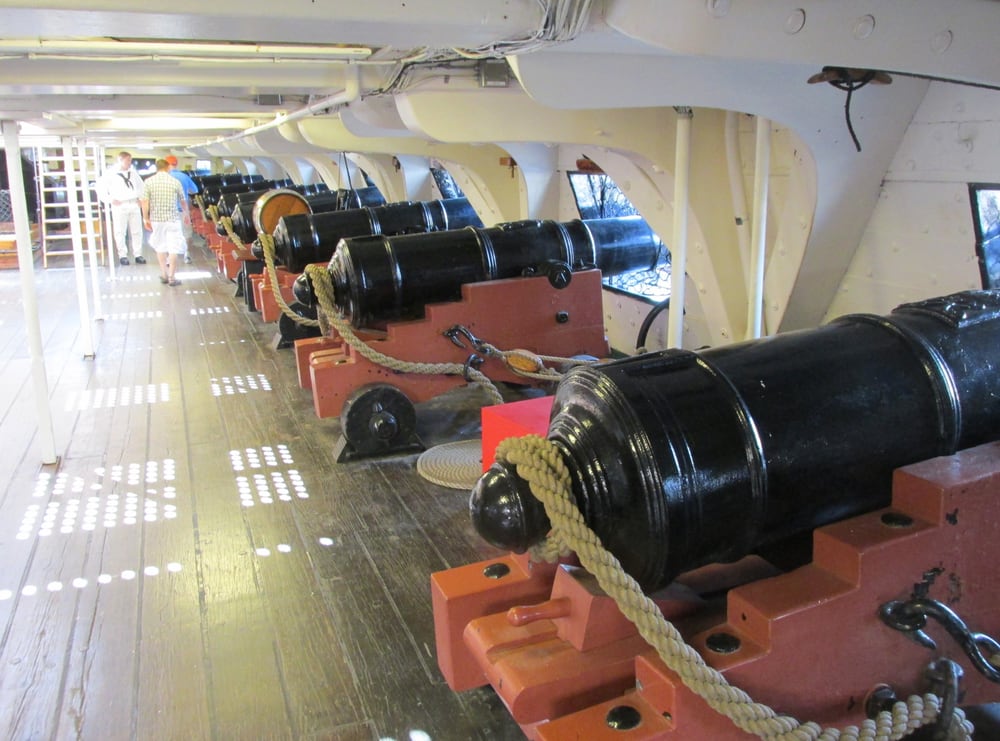 In July 2009, the Museum opened All Hands on Deck: A Sailor’s Life in 1812, a ground-breaking exhibit based upon family-centered design principles that bring children and adults together and serve a broad range of learning styles, knowledge and ages. The product of over ten years of research, development, and testing, the exhibit features newly-unearthed stories of the Ship’s 1812 crew and presents them in a dynamic, participatory format that serves as a model for other history museums to use in years to come. Instead of using walls of text to tell the stories, the exhibit uses interactive adventures combined with images, sound, theatre, artifacts and physical and mental tests. These methods foster discoveries, spark conversations between family members, and provide for more memorable and enjoyable museum experiences.
USS Constitution
24 5th Street, Bldg. 22
Charlestown Navy Yard
Charlestown, MA 02129
Tel.: 617-426-1812 ext. 0
URL: USSCconstitutionMuseum.org
Hours (call the number above as hours are subject to change):
| Monday | ship closed, museum open 9:00 a.m. – 6:00 p.m. |
|---|---|
| Tuesday | ship closed, museum open 9:00 a.m. – 6:00 p.m. |
| Wednesday | ship closed, museum open 9:00 a.m. – 6:00 p.m. |
| Thursday | ship closed, museum open 9:00 a.m. – 6:00 p.m. |
| Friday | 2:30 a.m. – 4:00 p.m. |
| Saturday | 10:00 a.m. – 6:00 p.m. |
| Sunday | 10:00 a.m. – 6:00 p.m. |
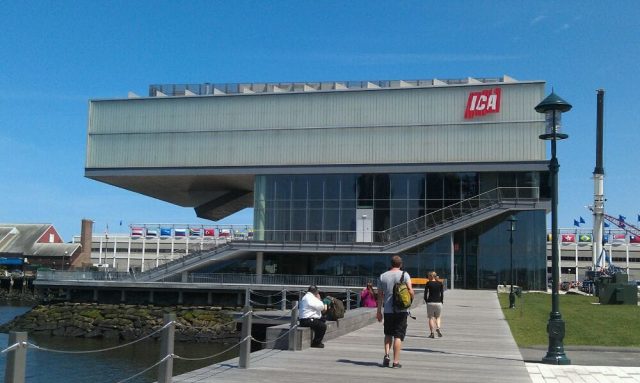
The Institute Of Contemporary Art
Founded in 1936 as the Boston Museum of Modern Art — a sister institution to New York’s MoMA — the museum was conceived as a laboratory where innovative approaches to art could be championed. The museum established a reputation for identifying important new artists, and in pursuit of this mission, eventually parted ways with MoMA and changed its name to the Institute of Contemporary Art in 1948.
 As the ICA’s reputation grew around the nation, it paved the way for other institutes and museums of “contemporary art” as well as artists’ spaces and alternative venues.
For more than 75 years, the ICA has presented contemporary art in all media — visual arts, performance, film, video, and literature — and created educational programs that encourage appreciation for contemporary culture. At the close of the 1990s, several innovative programs strengthened the ICA’s public role, including the teen filmmaking program Fast Forward, and ICA/Vita Brevis, whose temporary installations throughout public spaces in Boston drew critical and popular acclaim.
 In 2006, the ICA opened its visionary new building, designed by Diller Scofidio + Renfro, on the Boston waterfront.
In its new facility, the ICA has expanded the scope and size of its exhibitions and programs — increasing its audiences tenfold and serving as a catalyst for contemporary art in Boston.
Throughout its history the ICA has been at the fore in identifying and supporting the most important artists of its time and bringing them to public attention.
 Among the artists whose work has been introduced to U.S. audiences by the ICA are Georges Braque, Oskar Kokoschka, and Edvard Munch. Andy Warhol, Robert Rauschenberg, Laurie Anderson, and Roy Lichtenstein were each the subject of ICA presentations early in their careers. More recently, the ICA was pivotal in the careers of numerous visual and performing artists including Bill Viola, Kara Walker, Cildo Meireles, Cindy Sherman, Cornelia Parker, Shepard Fairey, Young Jean Lee, Jay Scheib, Trajal Harrell, and Rashaun Mitchell.
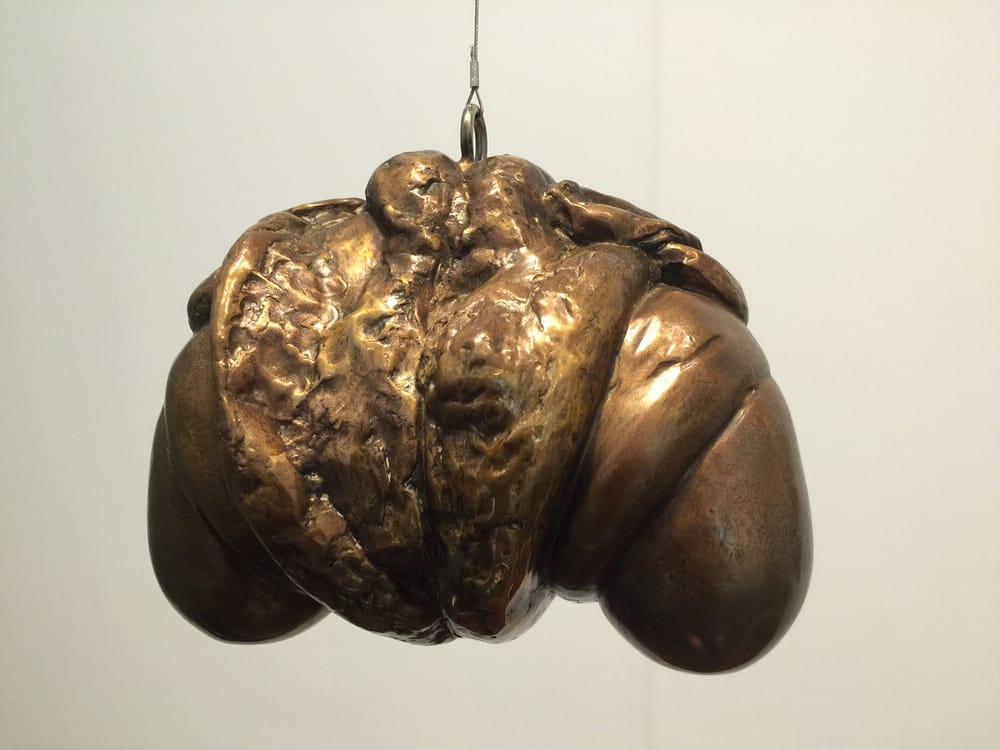 The Institute of Contemporary Art strives to share the pleasures of reflection, inspiration, provocation, and imagination that contemporary art offers through public access to art, artists, and the creative process.
The primary activities of the ICA are threefold:
- to present outstanding contemporary art in all media, including visual art exhibitions, music, film, video, and performance, that is deserving of public attention and has not been presented in depth to Boston audiences
- to provide innovative experiential learning opportunities for people of all ages through direct encounters with artists and art-making
- to design interpretative programs that provide context for, develop appreciation of, and add meaning to contemporary art and culture
A nonprofit organization, the ICA relies on a variety of funding sources for its programming, including memberships, grants, donations, admissions, and store and ticket sales.
Building
 The ICA’s visionary building captures the stimulation of contemporary culture and the excitement of a revitalized Boston waterfront.
Award-winning architects Diller Scofidio + Renfro designed the ICA—their first building in the U.S.—conceiving the building both “from the sky down,” as a contemplative space for experiencing contemporary art, and “from the ground up,” providing dynamic areas for public enjoyment.
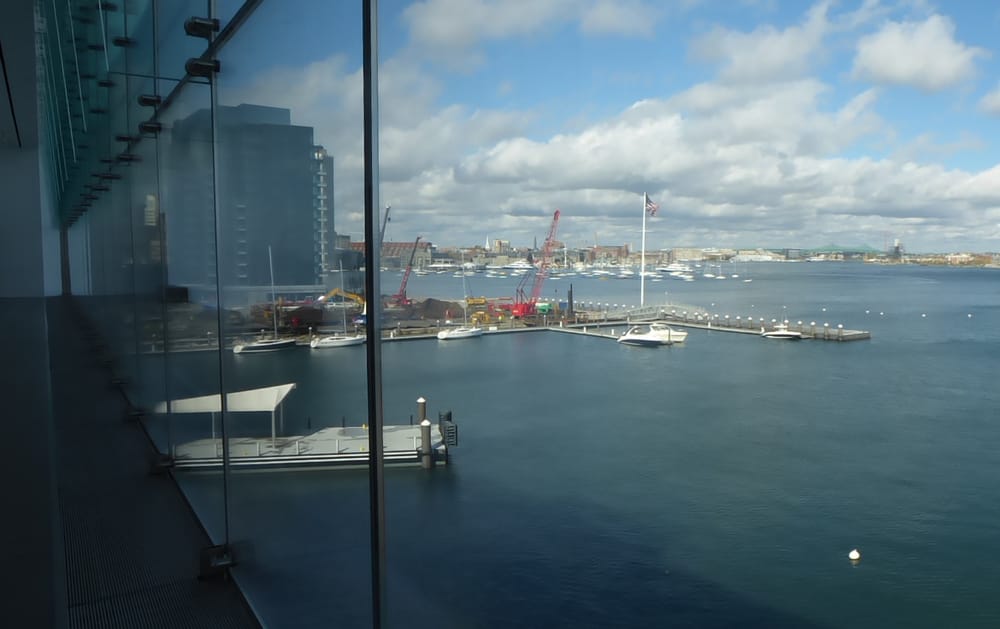
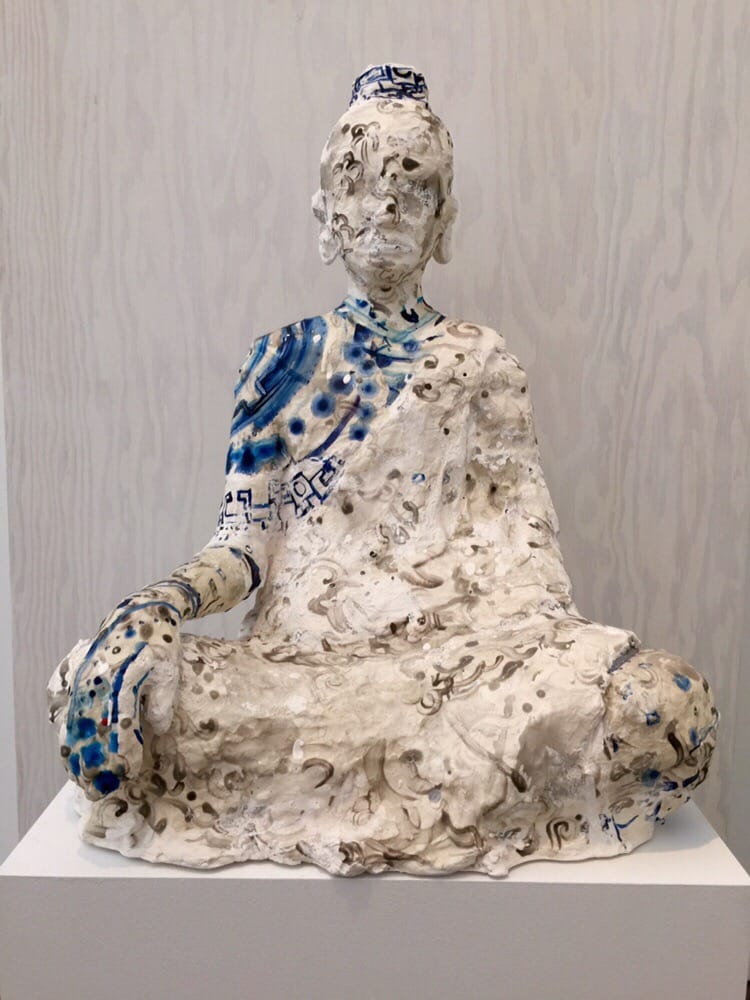 The design weaves together interior and exterior space, producing shifting perspectives of the waterfront throughout the museum’s galleries and public spaces.
The Institute of Contemporary Art
25 Harbor Shore Drive
Boston, MA 02210
Tel.: 617-478-3100
URL: ICABoston.org
Hours:
| Monday | closed |
|---|---|
| Tuesday | 10:00 a.m. – 5:00 p.m. |
| Wednesday | 10:00 a.m. – 5:00 p.m. |
| Thursday | 10:00 a.m. – 5:00 p.m. |
| Friday | 10:00 a.m. – 5:00 p.m. |
| Saturday | 10:00 a.m. – 5:00 p.m. |
| Sunday | 10:00 a.m. – 5:00 p.m. |
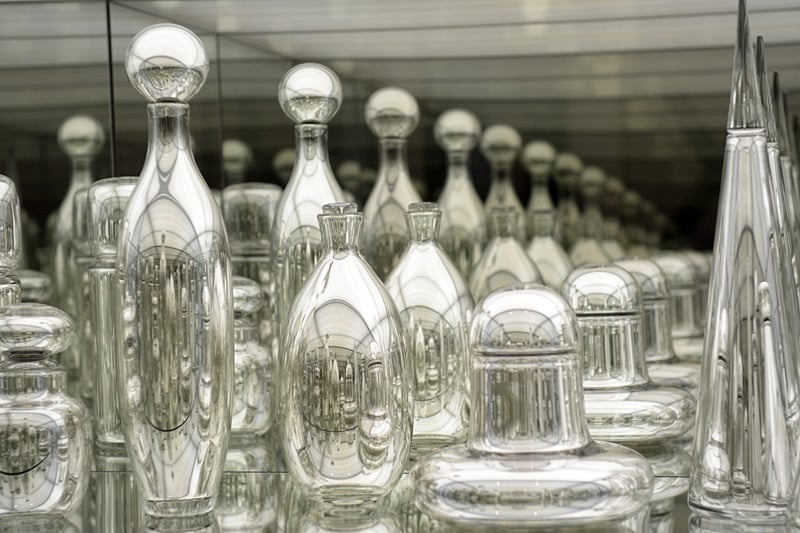
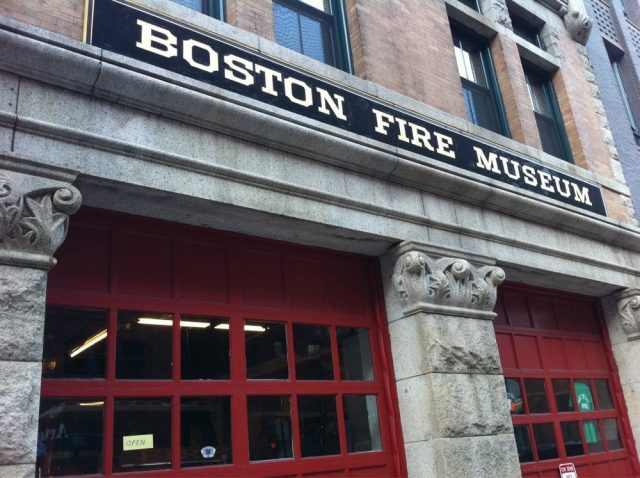
Boston Fire Museum
Mission
The mission of the Museum is to preserve and display fire fighting memorabilia from the Greater Boston area, educate and inform the general public on fire safety, restore and maintain the landmark building we occupy, and to support the fire service in general.
History
 The Boston Fire Museum has occupied the old firehouse at 344 Congress St in Boston’s seaport district since 1983. The Museum Committee, which oversees the operation of the Museum, is an all-volunteer group dedicated to informing friends and visitors about the history of fire fighting. Since the Boston Fire Department is one of the oldest in the nation, there is a rich tradition to salute. The home of our parent group, the Boston Sparks Association, is on the second floor.
Streaming Audio Tour
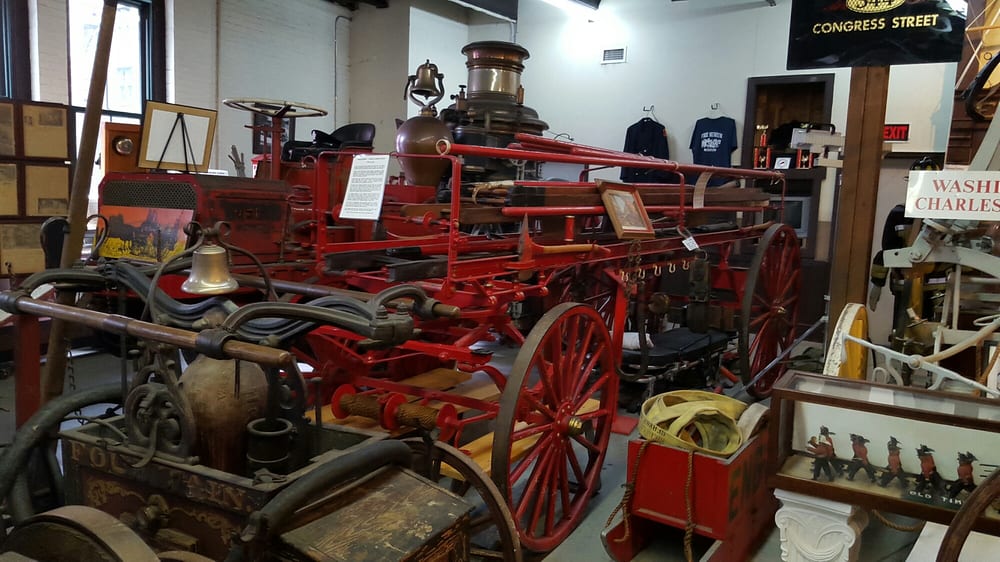 Our museum collection comprises fire alarm displays and artifacts, firefighting equipment, antique fire apparatus, and photographs.
We look forward to seeing you at the museum, but if you are unable to visit we have provided an online audio tour of our collection.
Click here to listen to the self-guided streamable audio tour on soundcloud.
Boston Fire Museum
344 Congress Street
Boston, MA 02210
Tel.: 617-482-1344
URL: BostonFireMuseum.com
Hours:
| Monday | closed |
|---|---|
| Tuesday | closed |
| Wednesday | 11:00 a.m. – 2:00 p.m. |
| Thursday | closed |
| Friday | 5:00 a.m. – 9:00 p.m. |
| Saturday | 11:00 a.m. – 5:00 p.m. |
| Sunday | closed |

Harvard Semitic Museum
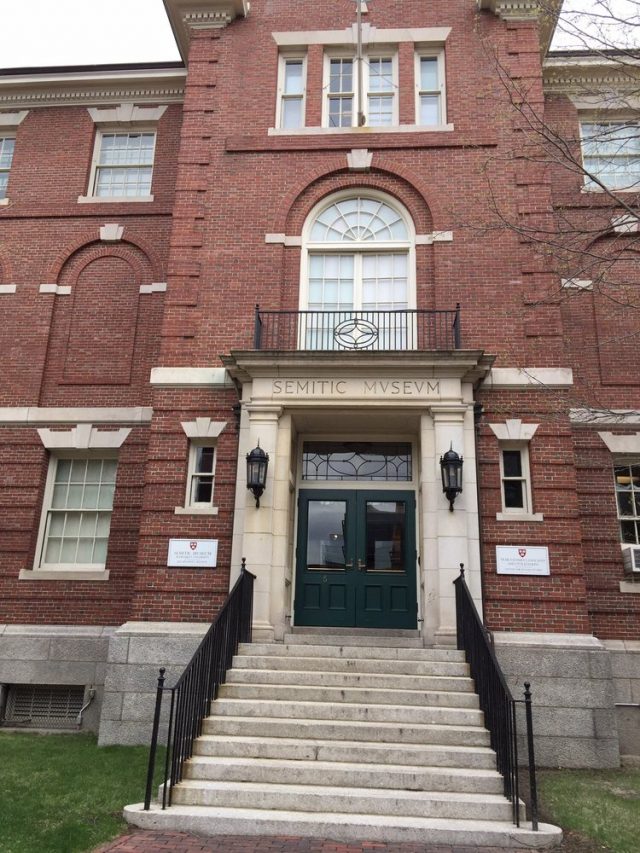
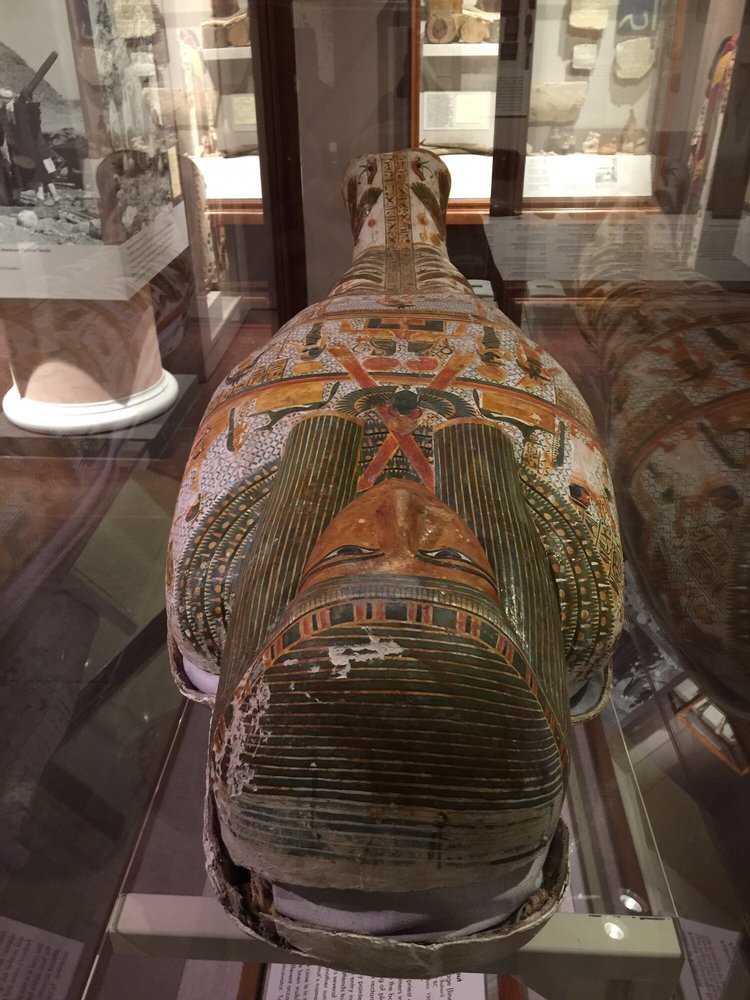
By housing ancient Near Eastern exhibitions, The Harvard Semitic Museum explores the rich history of cultures connected by the family of Semitic languages. Exhibitions include a full-scale replica of an ancient Israelite home, life sized casts of famous Mesopotamian monuments, authentic mummy coffins, and tablets containing the earliest forms of writing. Like the artifacts it displays, the museum itself has a rich and nuanced history.
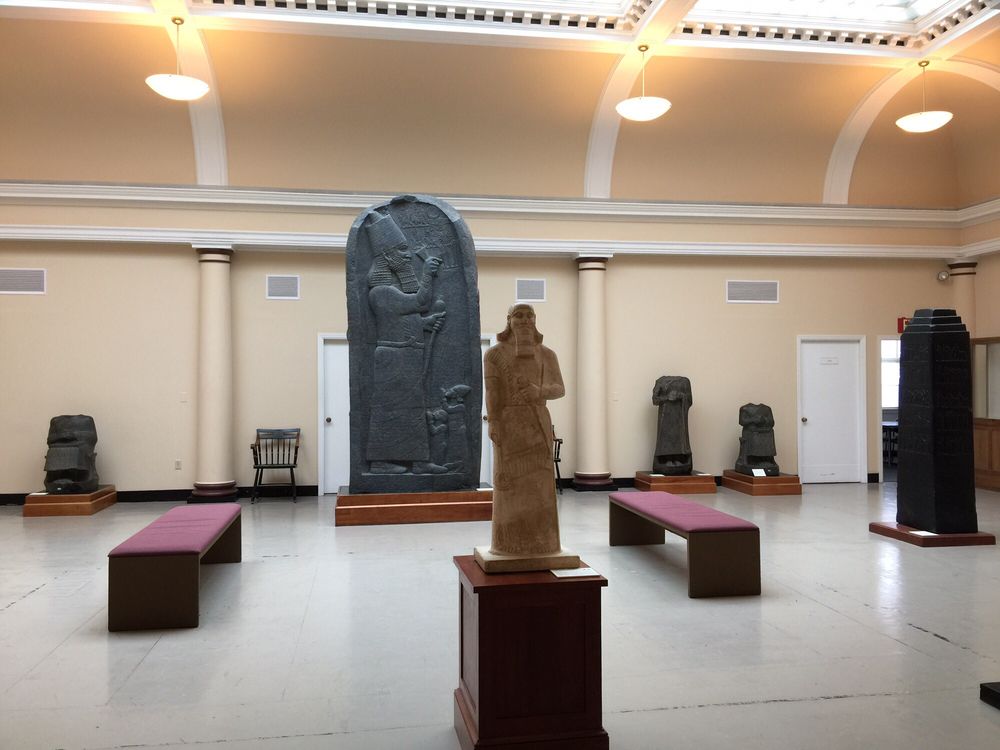 The Harvard Semitic Museum was founded in 1889, and moved into its present location in 1903. From the beginning, it was the home of the Department of Near Eastern Languages and Civilizations, a departmental library, a repository for research collections, a public educational institute, and a center for archaeological exploration. Among the Museum’s early achievements were the first scientific excavations in the Holy Land (at Samaria in 1907-1912) and excavations at Nuzi and Tell el-Khaleifeh in the Sinai, where the earliest alphabet was found.
During World War II, the Museum housed Naval offices and was closed to the public. In the 1970’s, academic activities resumed in the Semitic Museum, which is again home to the Department of Near Eastern Languages and Civilizations, and to the University’s collections of Near Eastern archaeological artifacts. These artifacts comprise over 40,000 items, including pottery, cylinder seals, sculpture, coins and cuneiform tablets. Many are from museum-sponsored excavations in Israel, Jordan, Iraq, Egypt, Cyprus, and Tunisia. The Museum remains dedicated to the use of these collections for the teaching, research, and publication of Near Eastern archaeology, history, and culture.
The Semitic Museum is one of the Harvard Museums of Science & Culture (HMSC).
Exhibition and Education
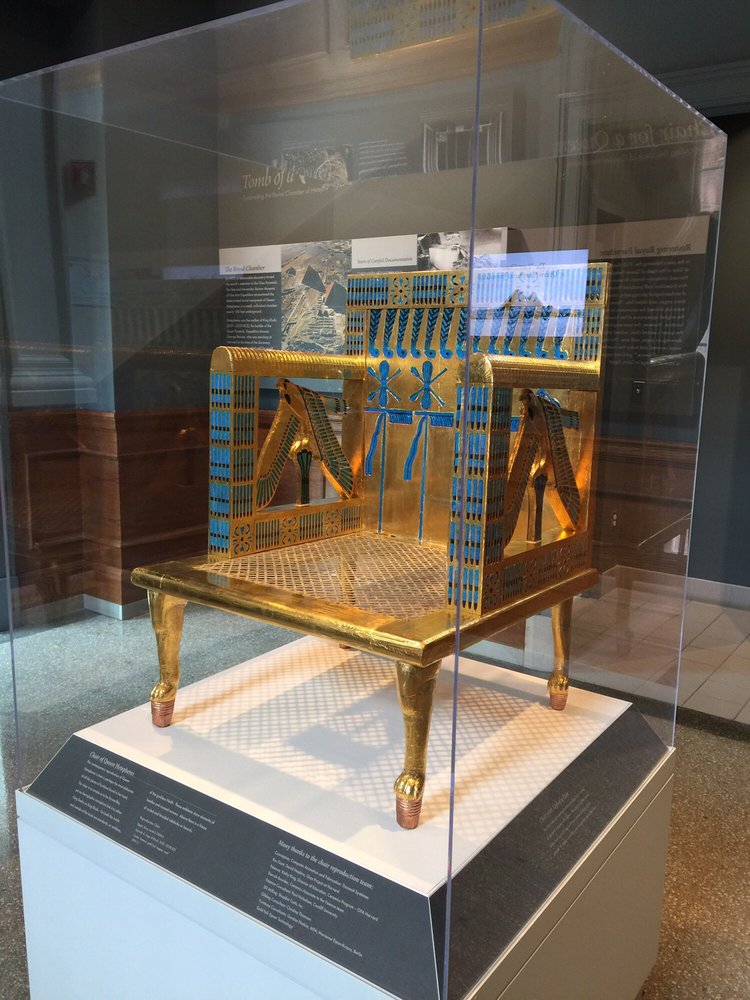 The Museum, through the collaborative efforts of departmental faculty, curators, museum curatorial staff and students, mounts exhibits, often in conjunction with university courses, which not only serve the University community, but also attract the general public. The Museum has an active public outreach program featuring tours for school groups and teacher training workshops. The Museum also sponsors, either alone or in conjunction with other institutions, a number of public lectures each year. Through these educational efforts, the Museum seeks to promote a wider understanding of the civilizations of the Near East and their great cultural legacies.
Harvard Semitic Museum
6 Divinity Avenue
Cambridge, MA 02138
Tel.: 617-495-4631
URL: SemiticMuseum.fas.harvard.edu
Hours:
| Monday | 11:00 a.m. – 4:00 p.m. |
|---|---|
| Tuesday | 11:00 a.m. – 4:00 p.m. |
| Wednesday | 11:00 a.m. – 4:00 p.m. |
| Thursday | 11:00 a.m. – 4:00 p.m. |
| Friday | 11:00 a.m. – 4:00 p.m. |
| Saturday | close |
| Sunday | 11:00 a.m. – 4:00 p.m. |
Boston Tea Party Ships & Museum
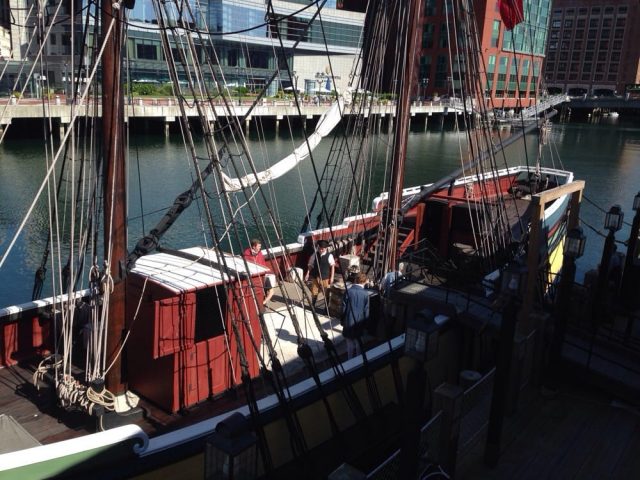
Relive the event that started a Revolution!
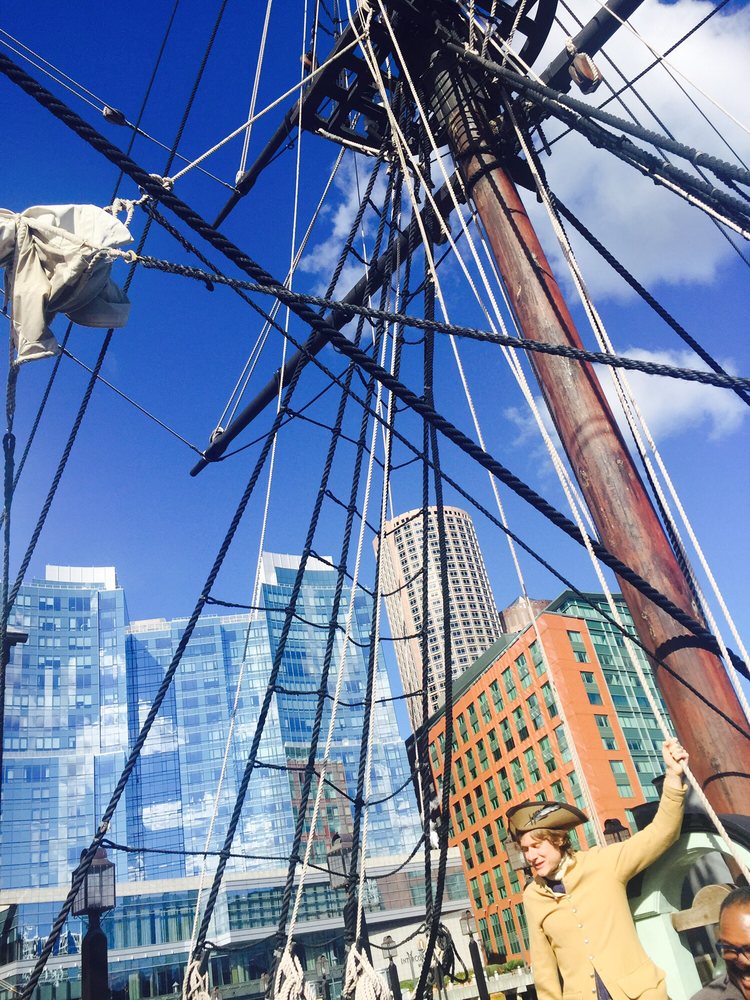
At the Boston Tea Party Ships & Museum you can be a part of the famous event that forever changed the course of American history! Historical interpreters, interactive exhibits, full-scale restored 18th Century sailing vessels, historic artifacts, and the award-winning multi-sensory documentary “Let It Begin Here” are just a taste of what you will experience during your visit.
 Meet the courageous men and women responsible for this historic act of defiance and learn what role you will play in “single most important event leading up to the American Revolution.” Complement your experience with Abigail’s Tea Room, where you can enjoy freshly baked goods, savory lunch items, historically inspired spirits, and literally taste history by sampling the five teas thrown overboard at the Boston Tea Party!
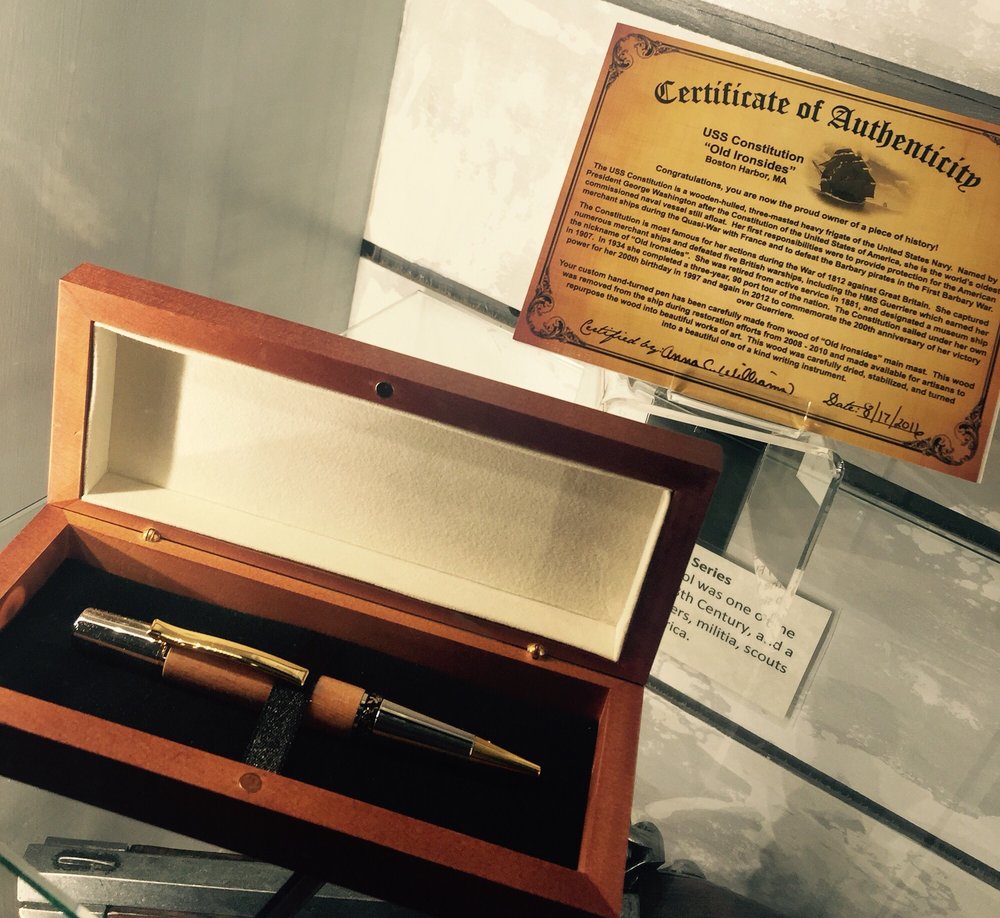
Bring home a bit of history to remember your journey to Boston 1773. Our gift shop includes an array of historically and nautically inspired gifts, keepsakes, books, games, toys, apparel and a large selection of assorted teas.
About your tour
 Each fully immersive tour will last approximately one hour and is a fully-guided experience throughout the ships & museum.
Your 18th Century Host will lead you through an interactive colonial town meeting, onto one of our ships to “dump the tea”, and through the museum experience as you discover what happened during the single most important event leading up to the American Revolution!
Boston Tea Party Ships & Museum
306 Congress Street
Boston, MA 02210
Tel.: 617-338-1773
URL: BostonTeaPartyShip.com
Hours:
| Monday | 10:00 a.m. – 5:00 p.m. |
|---|---|
| Tuesday | 10:00 a.m. – 5:00 p.m. |
| Wednesday | 10:00 a.m. – 5:00 p.m. |
| Thursday | 10:00 a.m. – 5:00 p.m. |
| Friday | 10:00 a.m. – 5:00 p.m. |
| Saturday | 10:00 a.m. – 5:00 p.m. |
| Sunday | 10:00 a.m. – 5:00 p.m. |

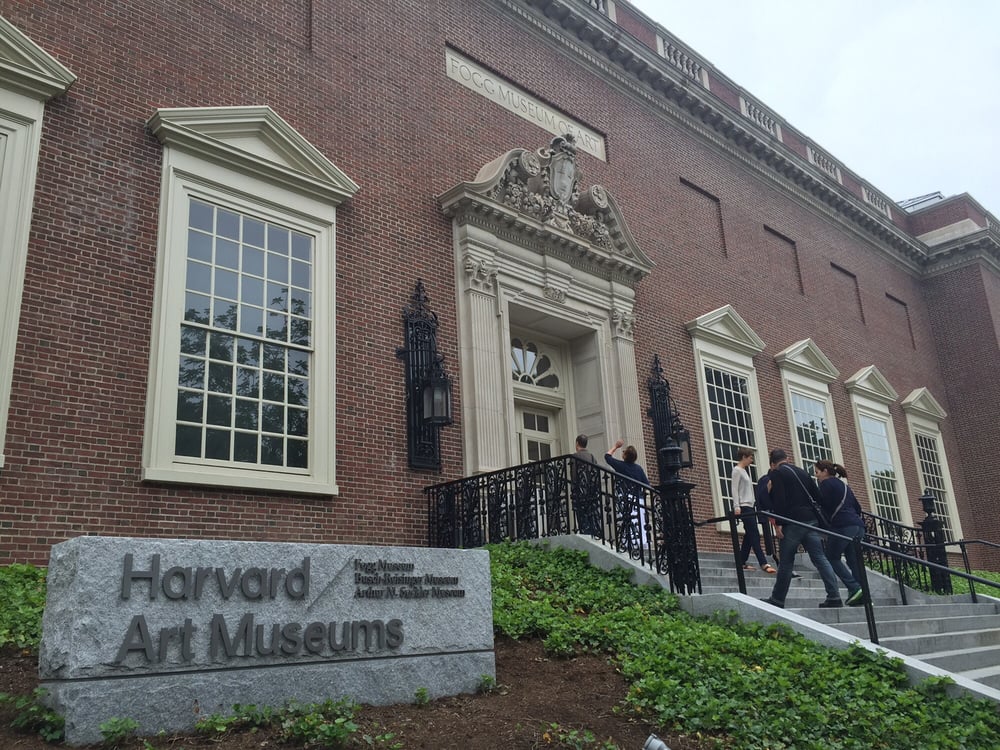
Harvard Art Museums
Specialties
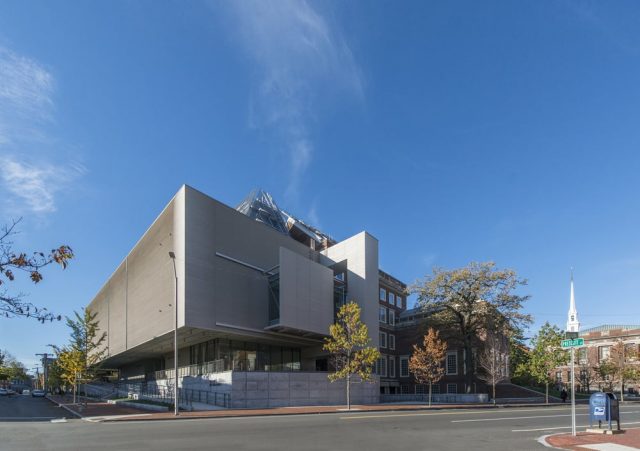
In our newly renovated and expanded facility by Renzo Piano Building Workshop, our expanded Collections Galleries feature works from the ancient world to the present, from the Americas, Europe, North Africa, the Mediterranean, and Asia.
The Fogg, Busch-Reisinger, and Arthur M. Sackler Museums are now united under one roof for the first time.
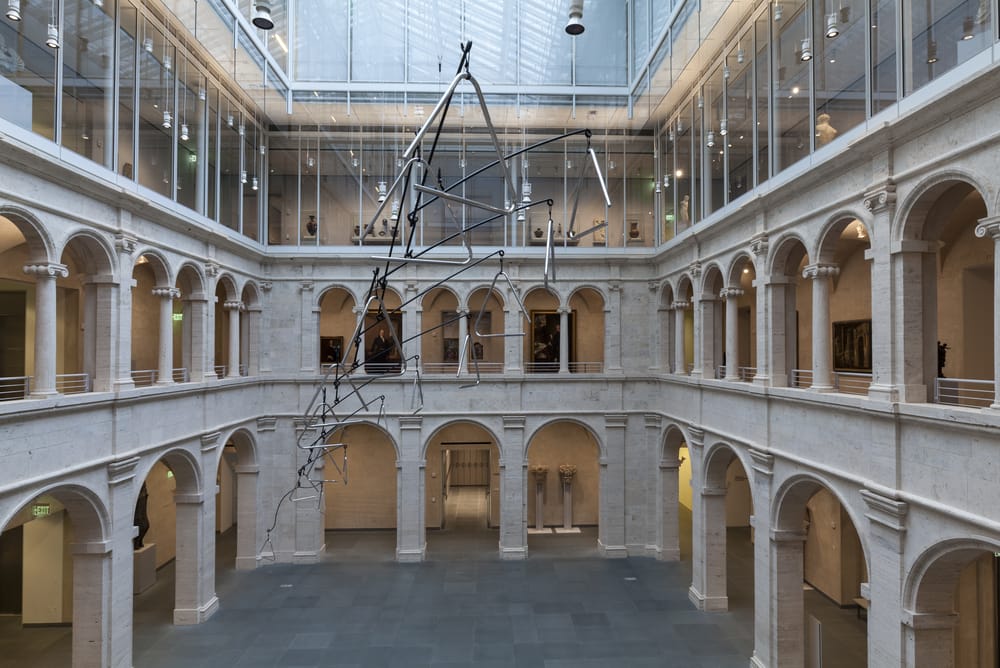 The renovation and expansion of our landmark building on the Harvard University campus provides new spaces for research, teaching, and learning – all of which are at the heart of our mission.
Two public entrances open into the revitalized Calderwood Courtyard. The courtyard’s open design offers dramatic views within the building as well as access to some of the museums’ new amenities.
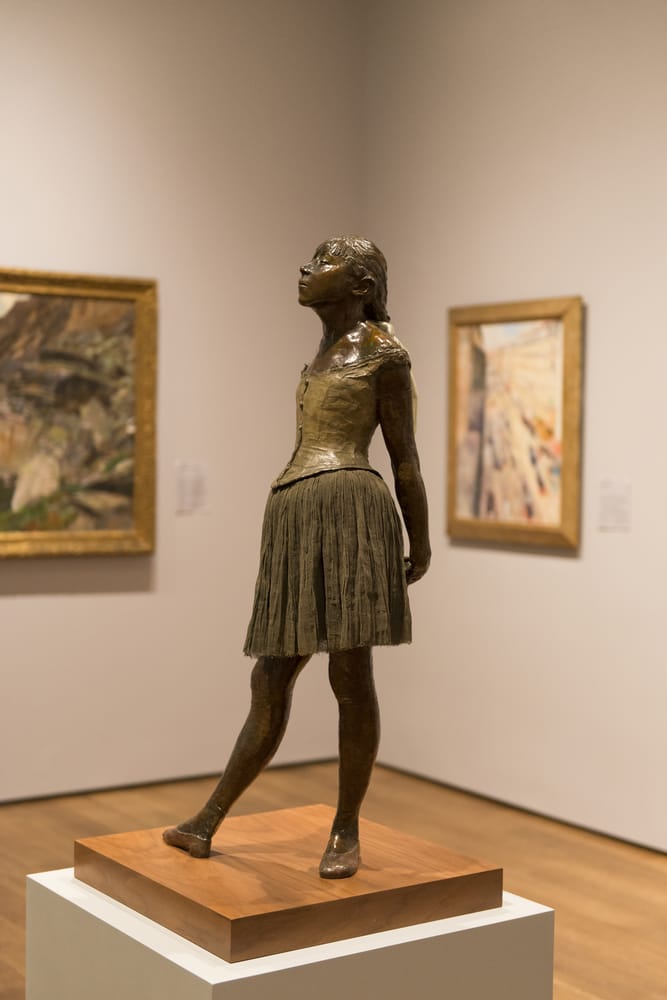 Find a keepsake in the shop and enjoy a snack at the cafe. Visit the Lightbox Gallery at the building’s summit to use technology to explore the collections in new and imaginative ways. There you can also view work taking place in the labs of the Straus Center for Conservation and Technical Studies.
Attend a lecture or film, or make an appointment to visit the Art Study Center for a closer look at original works of art not currently on view in the galleries.
Our renowned collections and unique spaces inspire new ways of looking and thinking about art for all visitors.
Harvard Art Museums
32 Quincy Street
Cambridge, MA 02138
Tel.: 617-495-9400
URL: HarvardArtMuseums.org
Hours:
| Monday | 10:00 a.m. – 5:00 p.m. |
|---|---|
| Tuesday | 10:00 a.m. – 5:00 p.m. |
| Wednesday | 10:00 a.m. – 5:00 p.m. |
| Thursday | 10:00 a.m. – 5:00 p.m. |
| Friday | 10:00 a.m. – 5:00 p.m. |
| Saturday | 10:00 a.m. – 5:00 p.m. |
| Sunday | 10:00 a.m. – 5:00 p.m. |