41.8 F
Brookline
Sunday, May 24, 2026
Home Blog Page 55

Widow Harris House

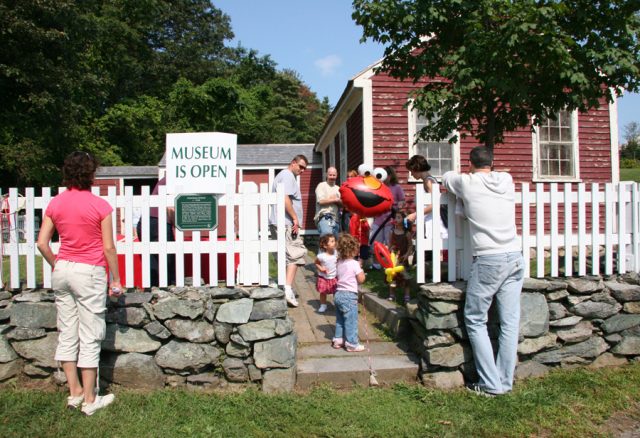
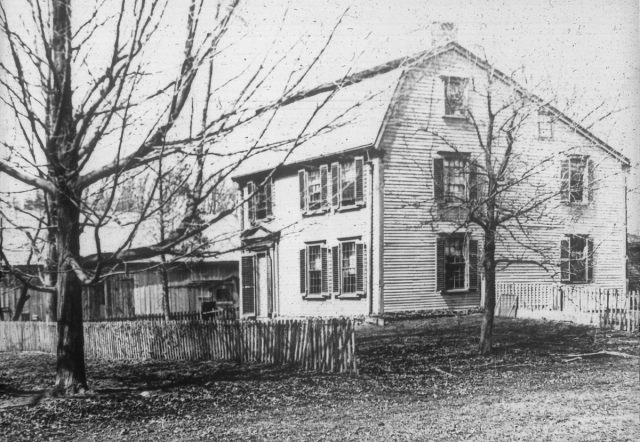
The Widow Harris House was named after Hannah Winchester Harris, the wife of its first owner, Timothy Harris.

It was built between 1772 and 1796 in what is now Larz Anderson Park and was used later by the Andersons to house their staff.

Widow Harris House
Newton & Grove Streets
Larz Anderson Park
Brookline, MA

Tel.: 617-566-5747
Emailbrooklinehistory@gmail.com
URL: BrooklineHistoricalSociety.org

Hours:

not open to the public


Edward Devotion House

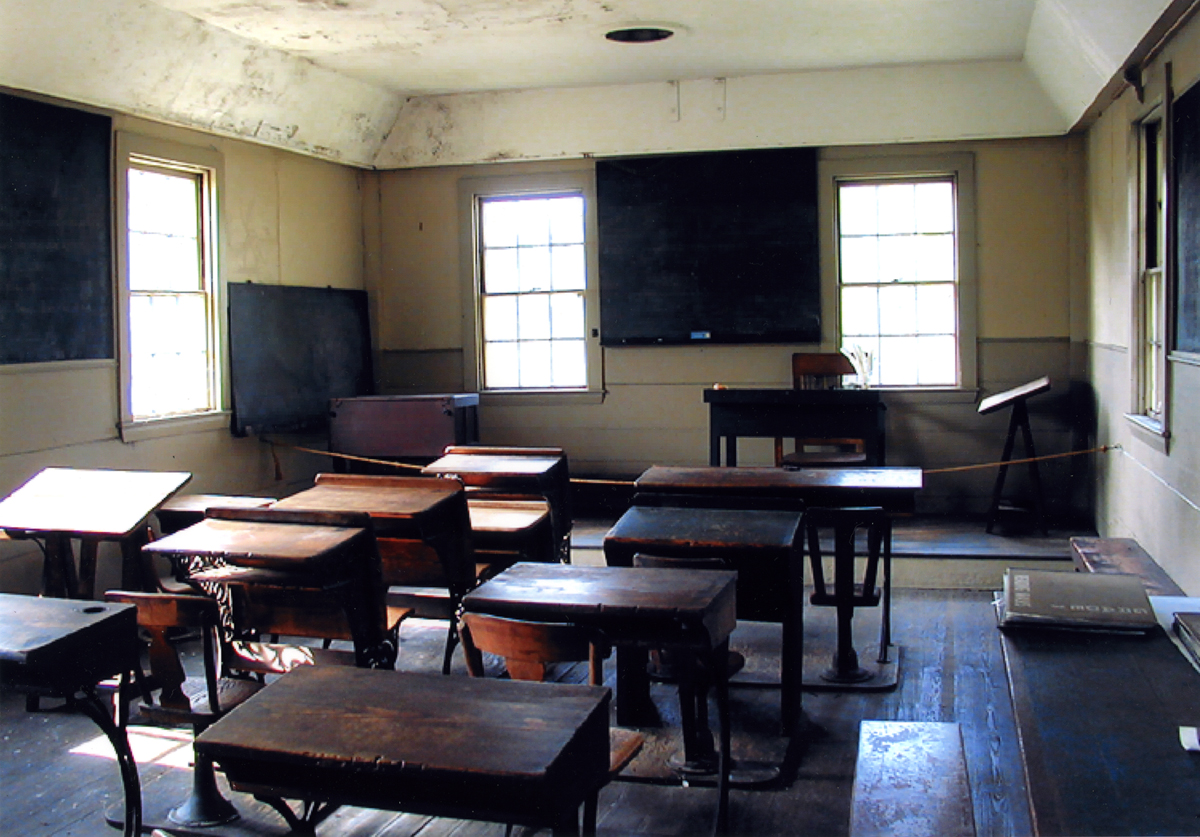
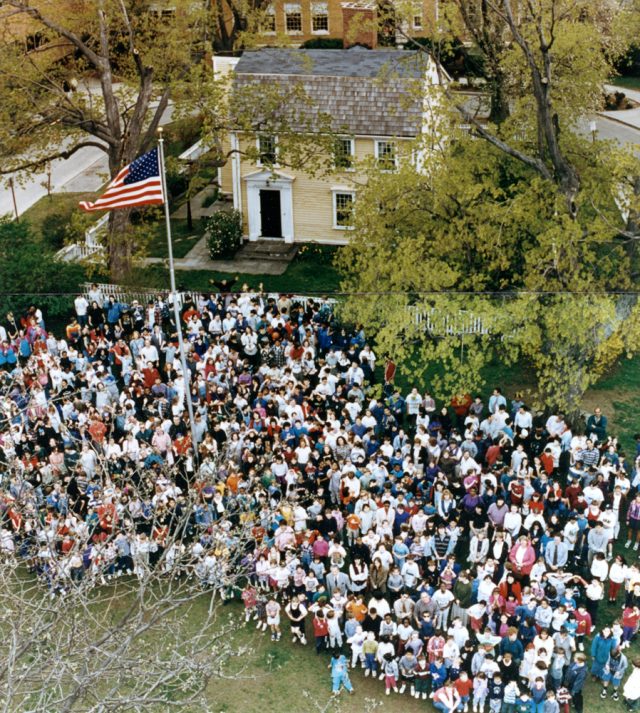
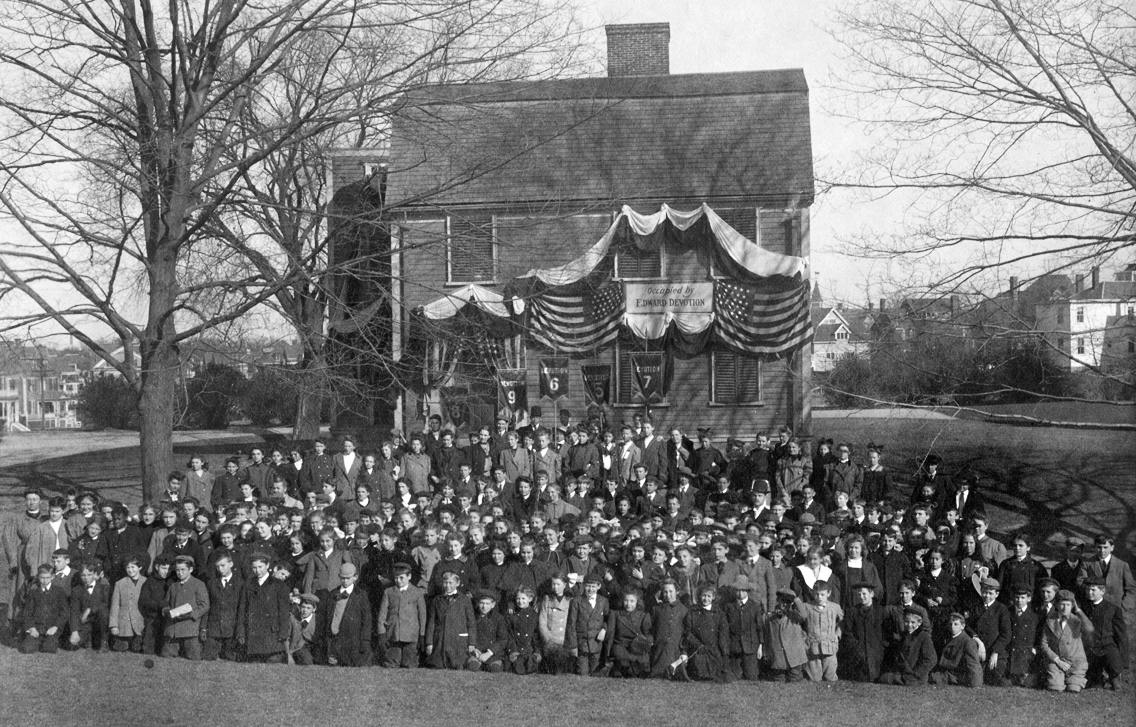
The Edward Devotion House is one of the oldest colonial structures in Brookline. Owned by the town and administered by the Brookline Historical Society, it is a fine example of mid-eighteenth century architecture. Edward Devotion (1621-1685) settled in Brookline around 1650. At that time, Brookline was a colonial farming community known as Muddy River. Devotion’s acreage along Harvard Street included apple orchards and pastureland for sheep and cattle. His son, Edward Devotion, Jr., left a bequest to the town for public schooling. Its legacy is the Devotion Elementary School, which today surrounds the house on three sides.

Although the Devotion House dates from around 1740, recent research has identified within it a house frame that dates from around 1680. This older structure may have been erected by Edward Devotion, Sr. His grandson, Solomon Hill, probably built the circa 1740 structure after inheriting the Devotion estate. The house passed out of the Devotion family in 1762. It subsequently had a variety of owners and occupants. Among them were tavern keeper William Marshall, who may have used the apple orchards to supply cider to the famous Punch Bowl Tavern in Brookline Village, and financier Israel Thorndike and farmer George Babcock, who are remembered in the names of nearby streets. The Devotion House was purchased by the Town of Brookline in 1891.

The Devotion House contains eighteenth- and nineteenth-century furnishings and Brookline-related artifacts. Some of the most significant objects are gifts of the Devotion family. Others are associated with early Brookline families, such as the Goddards.

In addition to being a museum, the Devotion House serves as the headquarters of the Brookline Historical Society. The society is dedicated to the preservation and interpretation of Brookline history. It was founded in 1901 and began meeting in the Devotion House that same year.

Edward Devotion House
347 Harvard Street
Brookline, MA 02446

Tel.: 617-566-5747
Emailbrooklinehistory@gmail.com
URL: BrooklineHistoricalSociety.org

Hours:
12:00 p.m. to 3:00 p.m.
1st & 3rd Sundays of the month
June 21st – October
 

All Politics Is Local: The Brookline League Of Women Voters

While they had accomplished their goal, suffragists knew that their work was far from over once the 19th Amendment was ratified in 1920. Carrie Chapman Catt advocated for a “league of women voters to finish the fight.” Catt wanted women to be well informed and work together on issues. She called the possibility of women working together as a cohesive, nonpartisan group an opportunity.

First led by Maud Wood Park, the League of Women Voters sought to inform citizens (male and female) about the issues. The League also set out to establish legislative goals for a range of issues. The idea was that a better-informed electorate would lead to better-formed policies. A nonpartisan group, the League is still going strong today.

Though the League of Women Voters operates as a national organization, there are state and local leagues as well. In Brookline, the League of Women Voters has the same goals as the national organization: to educate voters and work on vital issues of concern to members and the public. Supported by dues and donations, the LWVB conducts voter service and education activities and advocates for positions on issues its members have studied reached consensus. The LWVB uses grassroots organization to both inform the public and to advocate for policy changes.

In order to keep up to date on the issues, the LWVB has a monthly “2nd Friday at Panera” in Coolidge Corner at 9:30 a.m. Together, members discuss issues like education, bicycle paths, and the economy. All are welcome, so I encourage you to come—and bring a friend!

The LWVB has other events as well. On March 13 the, the LWVB had their annual Day on the Hill. This year’s theme was “Democracy is Not a Spectator Sport” and featured Rep. Thomas Conroy and Elizabeth Saunders of Clean Water Action as speakers. Afterward, Brookline League members had lunch with their state representatives.

Getting involved with a local branch of the LWV is important, even when it is not an election year. At the local level, there are always local elections and events. Being informed about issues and candidates is important—after all, at the local level, they may affect you the most.

To learn more about the League of Women Voters of Brookline, go here or “like” our Facebook page here. And do not forget to vote on April 30th!

Written by Chris Chanyasulkit, Commissioner (Asian American Commission, MA Commission on the Status of Women, Brookline Commission for Women), BAAFN Steering Committee Member, Education Board and Joint Policy Committee Member of the American Public Health Association, TMM Precinct 13, Emerge Massachusetts 2012.


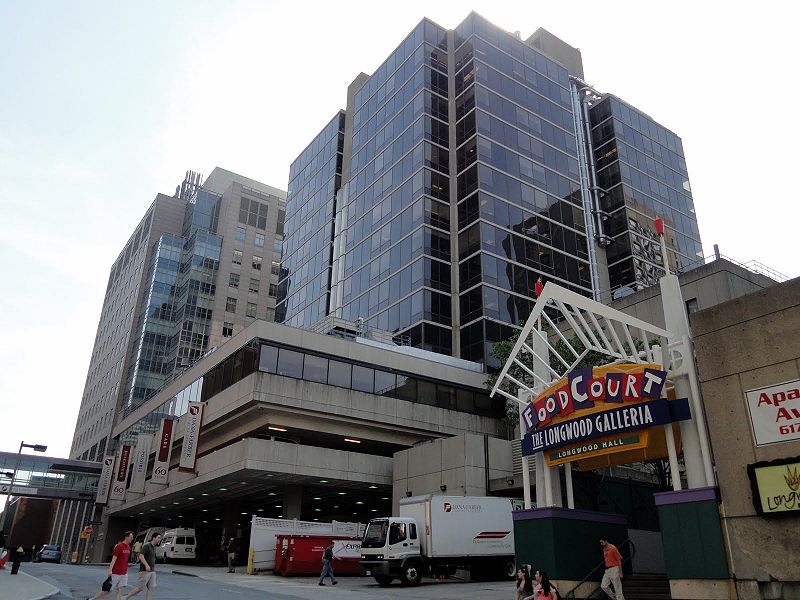
Dana-Farber Cancer Institute

Dana-Farber Cancer Institute
44 Binney Street
Boston, MA 02115

Tel.: 617-632-3000
URL: Dana-Farber Cancer Institute

Established in 1947, the Dana-Farber Cancer Institute, simply known as Dana-Farber to Bostonians, began as a children’s cancer center, but today it serves patients of any age or condition. The hospital employs up to 4,000 professionals who cater to the 300,000 patients that visit Dana-Farber each year. With an emphasis on AIDS research, the Dana-Farber Institute is supported financially by the federal government, and is one of twenty hospitals in the country recognized by the National Centers of Health as a Center for AIDS Research. The hospital stresses the importance of cancer protection, prevention, and awareness throughout the Boston and New England area and has been home to ground-breaking cancer research. For example, Dr. Farber, the founding father of the hospital, was the first to put a kidney tumor into remission in the late 1940s. Widespread use of the procedure increased the national rate of cure from 45 to 80 percent.

In 1948, a radio show played from the Children’s Cancer Research Foundation (the current Dana-Farber Institute) from the hospital room of a boy who was suffering from leukemia. After this special, bounties of donations filtered through the hospital in order to buy the boy, named Jimmy, a television so he could watch the Boston Braves baseball team, thus creating the Jimmy Fund. Today, the Dana-Farber Institute and the Jimmy Fund are still closely related. The hospital is also vigorously involved in community outreach, pairing up with nearly 30 public high schools in the area to provide a hands-on experience to many students interested in the field of medicine. As an affiliate of the Harvard Medical School, the Dana-Farber Institute seeks to provide excellent educational opportunities to the future’s most promising medical experts.

Dana-Farber puts patient and family care among its top priorities as a medical institution. This was recognized in a video produced by the American Hospital Association and the Institute for Family-Centered Care entitled “Patient- and Family-Centered Care: Partnerships for Quality and Safety”. The standard for patient and family care at Dana-Farber is established by the Adult and Pediatric Patient and Family Advisory Councils, a unique addition to the hospital’s makeup. This council is where executives and staff meet with patients and families in order to ensure a compassionate environment at the hospital throughout the patient’s stay.

The Dana-Farber Cancer Institute can be reached by the MBTA by taking the “D” line to Longwood Avenue, the “E” line to Longwood Medical Area, or the Orange line to Ruggles Station and take the bus.


We The People (And Corporations)

Where is it written in our Constitution that Corporations have the same rights as “we the people”? Yet, our Supreme Court has ruled it to be the case! The Supreme Court has also applied the provision within the Constitution that allows for the “arming, and disciplining, the Militia” to rule that our citizens have the right to arm themselves as if they may be called upon at any time to step into a video game and fight-off an invading foreign enemy.

Yet, here in Brookline, our politically involved citizens have hamstrung our police force in the use of closed circuit TV (CCTV) in fighting local crime.

The Wall Street Journal denigrates the “Occupy Wall Street” people yet refuses to realize that these people feel that they have no control over their own lives; that they are being controlled by a small group of people, acting out of self-interest.

What is to be done?

We can work towards ratifying a Constitutional Amendment to change the “Corporations are People” ruling. We have a much better chance of success with affecting this change then we do with over-ruling what the NRA calls our rights to bear arms.”

We can write our Selectmen and tell them that we are in favor of CCTV as a tool in crime prevention.

However, all these things take time and effort and we are all just too busy making a living, paying off the mortgage, saving for our kids to go to college. And so the cycle of power continues. The base of each of our two political parties continues to call the shots, to determine the issues, the candidates that will run, the people who will be nominated to the Supreme Court and the laws that will be enacted – whether they are in the best interest of the people or not.

I for one am heartened to see that there are people throughout the world willing to “occupy” a piece of their country in order to affect the kind of change that we here in the US were promised in the last national election and I am going to find the time to go into Boston and tell the occupy Boston people that they have my support!

Ray Hoffer


Karleton Fyfe Killed At 31

Karleton Fyfe
Karleton Fyfe

Karleton Fyfe’s mother had to be bedridden for the six months before he was born; he seemed to be in a hurry to get into the world.

There was so much to be excited about. Take the birth of his own son. He and his wife made it a group project. They sent family and close friends a video titled “It’s a …” showing them going for the sonogram, and at the end opening an envelope in which the doctor had written “boy.” When Jackson turned 1, they asked the same group to write something and seal it for him to open when he turned 18.

Then, because Mr. Fyfe heard that the terrible 2’s were caused by frustration at not being able to communicate, he taught his son sign language. “He was really living it,” said Tristin Laughter a longtime friend of the couple.

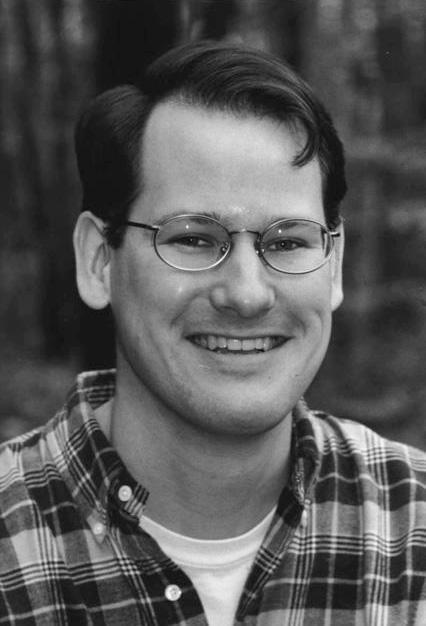
Mr. Fyfe, 31, really lived everything, applying the same boyishness and determination whether he was mastering Steve Martin routines or the curveball as a kid, or tackling projects as a senior analyst at John Hancock — the job for which he was traveling on American Airlines Flight 11.


The Park School

The Park School
171 Goddard Avenue
Brookline, MA 02445

Tel.: 617-277-2456
URL: The Park School

History:

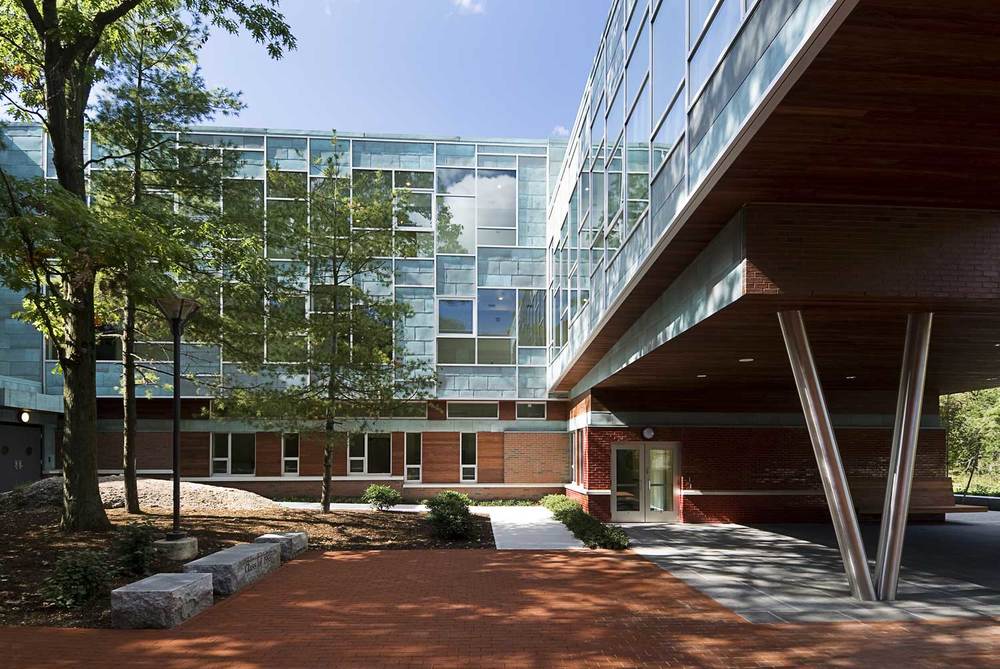
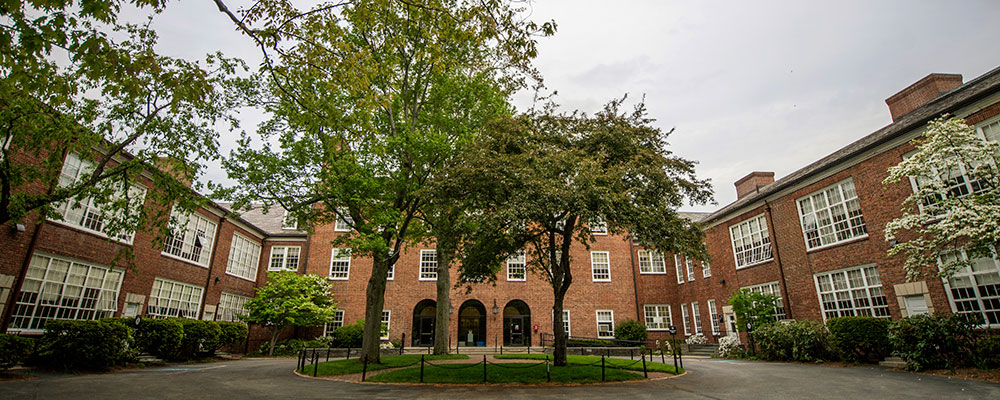
Park’s roots go back to 1888, when Miss Caroline Pierce began a proprietary school on Walnut Street in Brookline. In 1923, it was incorporated and named to commemorate Julia Park, principal from 1910-1922. A gift of land from Dr. and Mrs. James M. Faulkner, former Park parents and grandparents, provided the opportunity for the School to move in 1971 from Kennard Road in Brookline to a 34-acre, country-like setting near Jamaica Pond and opposite Larz Anderson Park.

Mission:

The Park School is dedicated to excellence in education.

The cornerstone of Park’s program is academic excellence, combining both high standards of scholarship and the encouragement of each child to develop to his or her greatest potential. Our school community fosters a nurturing environment in which children develop curiosity, express creativity, appreciate the value of hard work and discipline, and experience the joy of learning. Park’s faculty encourages each student to strive for intellectual, physical and moral growth and to become contributing members of the community.

Park is committed to being a metropolitan, coeducational, day school of diverse races, religions, cultures, and backgrounds. Central to its mission is an appreciation of similarities and differences of perspective and the interdependence of all people. As a family school, Park is a community in which the dignity of each child, teacher, and parent is respected.


Beaver Country Day School

Beaver Country Day School
791 Hammond Street
Chestnut Hill, MA 02467

Tel.: 617-738-2700
URL: Beaver Country Day School

School Description:

Beaver Country Day School is a private, college preparatory school for students in grades six through twelve and is accredited by the New England Association of Schools and Colleges. Originally founded on a focus on the progressive education model of the American philosopher John Dewey, the school moved to its present location on Chestnut Hill in the 1920s. The school enrolls about 450 students each year, with classes averaging about 15 students per class and one hundred percent graduates going on to a four-year college or university. The school prides itself on its diversity, as about 25% of both students and faculty are of color and its students collectively speak over 20 languages besides English at home. Notable alumni of Beaver Country Day School include actress Eliza Dushku, Temple Grandin, Pulitzer Prize winner Lucinda Franks, and Glee writer/producer Brad Falchuk.

Campus Setting:

Beaver Country Day is located on a 17-acre campus in the village of Chestnut Hill in Brookline. It is only three miles west of the city of Boston and is easily accessible through public transportation via the Chestnut Hill stop on the “D” Green Line (to Riverside). The campus includes a library, an athletic field, an art gallery, a performing arts center, and a gymnasium.

Academics:

The academics at Beaver Country Day School strive to go beyond mere mastery of academic content and problem solving; Beaver also prepares students for future professional success and growth by giving them advanced thinking skills by approaching academics from many different perspectives and approaches. The school focuses extensively on honing writing, communication, and critical thinking skills from this foundation, which they call Kaleidoscopic Thinking. Beaver also has a program for the upper school, created by collaboration with MIT and Harvard, called “NuVu”. “NuVu” is built on the MIT studio model of innovation learning and its primary goal is to challenge students and push their creative and analytical limits. Finally, the school also emphasizes community service and social change, following the footsteps of John Dewey, with its Hiatt Center for Civic Engagement.

Clubs and Activities:

Beaver Country Day School believes that extracurricular involvement is absolutely essential for academic, personal, and social achievement. Beaver has an athletic program available to students in all grades seeking to improve their athletic skills and achieve personal growth, both individually and collectively. The school also recognizes the importance of the arts and the cultivation of creativity and self-expression; all middle school students are required to take an art course every trimester and upper school students must take at least two art classes before graduating. Arts at Beaver Country Day include music, theater, and visual arts. Many of the popular clubs and activities of Beaver students include student council, Mock Trial, robotics, the Entrepreneurs’ Club, and the online student-run newspaper, The Beaver Reader.


The Chestnut Hill School

The Chestnut Hill School
428 Hammond Street
Chestnut Hill, MA 02467

Tel.: 617-566-4394
URL: The Chestnut Hill School

School Description:

The Chestnut Hill School is an independent, co-educational elementary school located in the Chestnut Hill village that consists of a pre-school program for children starting at age 3, a Kindergarten, and grades one through six. The school, grounded in its 150-year-old history, is driven by a three-part mission of academic excellence, diversity, and community. It enrolls about 275 students in its pre-school program through grade six and helps place its graduating students into middle school.

Campus Setting:

The Chestnut Hill School is located in the Chestnut Hill village of Brookline, about a half a mile away from the Boston College campus.

In addition to the main classroom buildings, the campus offers many great facilities, including a heated outdoor swimming pool, gymnasium, music room, woodworking shop, and computer lab.

Academics:

Academic excellence is one of the three tenets of the school’s mission. The Chestnut Hill School works hard to create an environment for its students that not only fosters an acquirement of knowledge and skills but also encourages critical thinking and a love for learning. The curriculum at the Chestnut Hill School includes basic skill development for the lower school and a culmination of the CHS experience for the upper school. The upper school academic experience is very well-rounded, covering areas from language arts to science to woodworking in order to prepare students for their next steps at middle school.

Clubs and Activities:

The Chestnut Hill School recognizes the importance of extracurricular activities in a well-rounded education. Students in the lower school participate in RoboLab in their last year, which introduces them to technology and engineering as they prepare to make their transition to the upper school. Students in the upper school are part of the Athletics Program, which teaches important fitness and teamwork skills, and the Leadership Program, which reflects the Chestnut Hill School’s commitment to community involvement and preparation for the next steps beyond CHS. There is also a School for Music that is open to current Chestnut Hill students, which provides lessons for over 14 different musical instruments and fun music workshops.


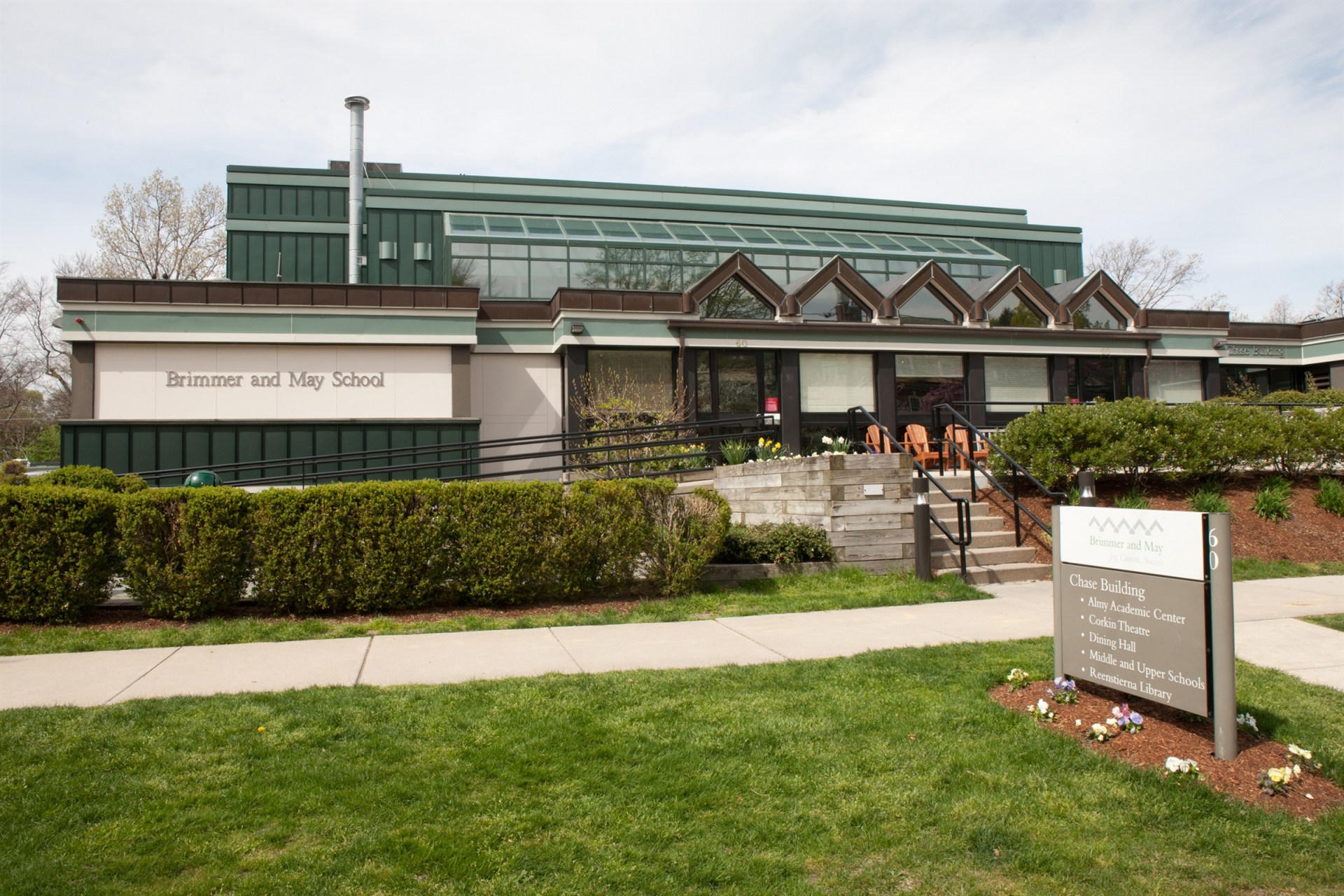
Brimmer And May School

Brimmer and May School
69 Middlesex Road
Chestnut Hill, MA 02467

Tel.: 617-566-7462
URL: Brimmer and May

School Description:

Brimmer and May School is a private school located in the Chestnut Hill village of Brookline; it enrolls students from pre-Kindergarten through twelfth grade. Although Brimmer and May was an all-girls school for about 50 years since its founding, the school became a co-educational institution in 1992 and has enrolled both males and females since. The school contains about 400 students and 50 faculty members, enabling a small 20:1 student to faculty ratio.

Brimmer and May School emphasizes active learning and encourages students to approach their education with joy and responsibility by becoming leaders inside and outside the classroom. The school is also quite diverse as 20% of the students are international and 22% are U.S. students of color.

Campus Setting:

The campus of Brimmer and May is located in Chestnut Hill close to the Boston College campus.  Brimmer and May, which occupies a two-block stretch of Middlesex Road, consists of both lower school and upper school buildings, which include a visual arts center and a library.

Academics:

The academic mission and philosophy for Brimmer and May varies throughout the lower school, middle school, and upper school. The important development of young students’ intellectual, physical, social, and emotional skills is an academic emphasis in the lower school. The lower school also has several unique programs, such as the Afterschool Music Program and the Environmental ColLab. Students in the middle school build their academic knowledge and skills while simultaneously becoming both self-motivated and self-disciplined; the unique programs for the middle school of Brimmer and May include a 7th grade trip to Washington, DC and an Outdoor Education Program. Finally, the upper school encourages students to challenge themselves intellectually while also aiming to mimic a college academic environment in some areas. Brimmer and May upper school offers a variety of AP courses and a rigorous Honors Program. Furthermore, all seniors are required to complete a thesis, which they defend in front of a panel of faculty and classmates.

Clubs and Activities:

Community service is at the heart of the Brimmer and May mission and students at all grade levels serve their community. While the students in the lower and middle schools participate in community service plans designed by the school, students in the upper school can choose in what way they would like to help their community as long as they complete the 40-hour requirement. Brimmer and May has 25 varsity sports for the upper school, and the lower and middle school students are required to participate in physical education every year. There are also art programs for each grade level and many clubs in which students can participate outside of the classroom.


Parking

Daytime Parking: Between 6:00 a.m. one day and 1:00 a.m. the next day, it is illegal to park on the same street in Brookline for longer than 2 hours (excluding Sundays and public holidays).

Overnight Parking: Unless approved by the Transportation Board, between 2:00 a.m. and 6:00 a.m. every day drivers are not permitted to park on any Brookline street or town-owned parking lot for longer than 1 hour.

Snow Emergency: If the town of Brookline has declared a Snow Emergency, no cars may be parked on the streets. Snow Emergencies are broadcasted on local media channels, and can also be found by calling the DPW at 6177302610.

Guest Overnight Parking: Brookline residents can obtain overnight parking passes for their guests in one of the 83 spaces specified for this purpose. The pass works from 11:00 p.m. to 8:00 a.m. the next morning. However, it is not guaranteed that a guest will be able to find a spot close to their residence. Spots are available in the lots on the following streets:

• Babcock Street
• Kent/Station Street
• Green Street
• Fuller Street
• Beacon Street Median (Washington Square)
• Webster East Street

The overnight guest passes can be purchased at the meter stations in the above lots after 6:00 p.m. of the day that the guest wishes to park overnight.

Public Parking in Commercial Areas: Although all of Brookline’s commercial districts are accessible by MBTA bus and trolley lines, there are areas for public parking. Meters are available on nearby streets close to the following commercial districts:

• Coolidge Corner
• Brookline Village
• St. Mary’s/Lower Beacon Street
• Putterham/Chestnut Hill
• JFK Crossing/Washington Square

Meter rates and hours are different depending on the location, but are always free on Sundays and major holidays. Most of the meters allow for 2-3 hour parking, with some that are for longer as well.

Red Sox Parking: Those looking to park in Brookline on Red Sox game days can park all along Beacon Street between St. Mary’s and Hawes Street two hours before the game until 10:00 p.m., Monday through Saturday. These meters are the closest to Fenway, but are also more expensive—about $22 for 4 hours. Select meters near St. Mary’s street will only be $1 per hour, but with a two-hour limit. The town of Brookline advises that if you are looking to park here, drive further down Beacon Street, park, and then take the Green Line to the ball park.

Resident Overnight Parking: Because of the overnight parking ban, residents may have problems with parking. To remedy this, Brookline has reserved a total of 309 spaces in 11 lots, as well as the Courtyard Marriott Hotel. Some of the Resident Overnight spaces are available in the following lots:

• Beacon Street Median
• Centre Street West
• Centre Street East
• Kent/Webster Place
• Babcock Street
• Courtyard Marriott Hotel
• John Street
• Fuller Street

The cost for a space is $100 per month, and is billed to your Brookline address. Residents with permits can park between 9 pm and 8 am daily, and all day on Sundays and holidays. Permits are extended to those with a Brookline address, however, exceptions can be made for company cars, full time students, and lease vehicles.

Resident Permit Parking: Brookline residents with a permit can park for over two hours on a residential street between 6:00 a.m. to 2:00 a.m.. Permits cost $25, and are valid for one year. Those without a permit can only park up to two hours, so it discourages people from parking on your residential street for hours. However, the following streets do not qualify for Resident Permit Parking:

Adams Street, Beacon Street (999 to 1441, 1609 to 1730), Boylston Place, Boylston Street, Chapel Street, Copley Street, Crowninshield Road, Elba Street, Harvard Street, Hayden Road, Holden Street, John Street, Mountfort Street, Pearl Street, Pierce Street, St. Marys, Station Street, Webster Place, and Webster Street.

Brookline Meters: Recently, Brookline has updated its meter system. New renovations include:

• multi-space meters on St. Mary’s Street, Coolidge Corner, Washington Square, and JFK Crossing
• extended hours up to 8 pm for high-demand areas
• an increase of $1 for all 2, 3 and 5-hour-meters
• new methods of payment in meter machines, such as coins, credit cards, cash, and Brookline cards.


Brigham And Women’s Hospital

Brigham and Women’s Hospital
75 Francis Street
Boston, MA 02115

Tel.: 617-732-5500
URL: Brigham and Womens Hospital

The Brigham and Women’s Hospital began as the Boston Lying-In Hospital in 1832 and earned a reputation for excellence in maternity care that still stands today. This hospital was a pioneer in servicing women who could not afford medical care to their homes. In 1875, it became the Free Hospital for Women (that will later become the Boston Women’s Hospital), which sought to service women who needed surgery or direct medical attention particular to their sex, according to their original mission statement. In 1911, the Brigham hospital established itself as a medical center offered for those who could not afford privatized care. In 1974, the Boston Women’s Hospital, the Peter Bent Brigham Hospital, and the Robert Breck Brigham Hospital formally collaborated and soon opened the doors of the Brigham and Women’s Hospital in 1980.

The Brigham and Women’s Hospital has been a trailblazer in the medical field throughout history and continues to be so today. With the focus on women’s health, the Brigham and Women’s Hospital is home to the Mary Horrigan Connors Center for Women, which is intended for obstetrical and newborn care with a focus on family care. The center features a Newborn Intensive Care Unit, postpartum and antepartum care rooms, and birthing suits. About 9,000 babies are born at Brigham and Women’s Hospital each year.

Today, womens care is not the only attribute that Brigham and Women’s hospital is known for. It was home to the first heart transplant in New England in 1984 and the first lung transplant in Massachusetts in 1992. It is well known as a teaching affiliate for Harvard Medical School and boasts state of the art technology for research and clinical studies. The Brigham and Women’s Hospital is a top recipient of the National Institutes of Health research grant, receiving over $400 million for research. It has been ranked in Solucient’s Top 100 Hospital ranking for eight consecutive years, and is the only hospital to do so. Brigham and Women’s Hospital is a pioneer in transplants for lungs, hearts, kidneys, and even bone marrow. It is also well-known for the work it does in cardiovascular research, rheumatic and arthritic disorders, and cancer research.

The Brigham and Women’s Hospital can be reached by “T” or bus, just get off at Brigham Circle on the “E”  line or the Longwood stop on the “D” line. Buses that run to Brigham and Women’s are 66, 65, 60, 47, 39, 8, CT2, and CT3.


Boston Children’s Hospital

Boston Children’s Hospital
300 Longwood Avenue
Boston, MA 02115

Tel.: 617-355-6000
URL: Boston Children’s Hospital

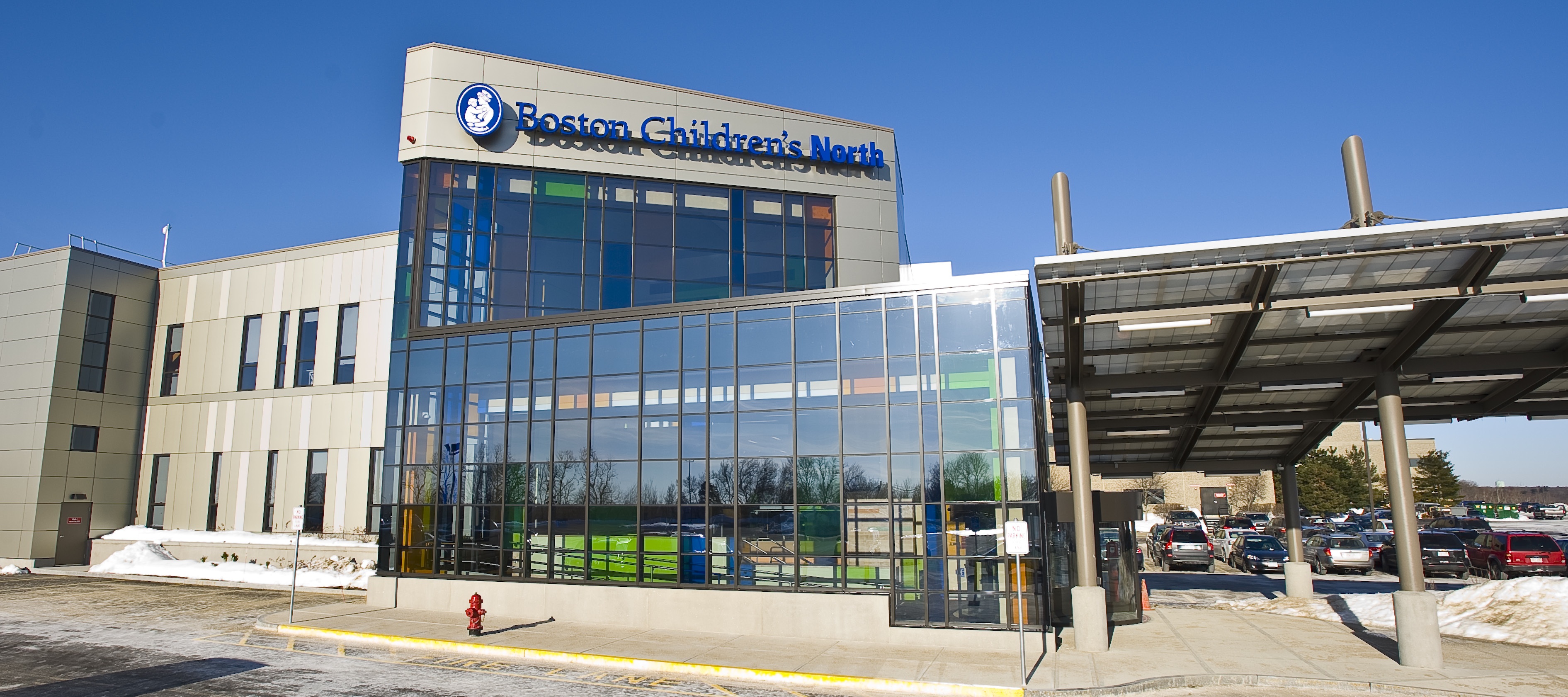
The Boston Childrens Hospital is one of the nation’s largest hospitals for pediatric care. The hospital cares for children up to 21 years of age, but it also has an Advanced Fetal Care program in which care is given to parents who believe there may be complications with the fetus. The Boston Children’s Hospital boasts over 1,000 medical staff members; many of these professionals are faculty members at Harvard Medical School. Finally, with over 500,000 visits a year, the Boston Children’s Hospital of is one of the most active hospitals for pediatric care in all of New England.

Established in 1869, Boston Children’s Hospital is host to the world’s largest pediatric-based researchcenter. The Children’s Hospital has excellent research facilities, like the John F. Enders Pediatric Research laboratory, which is awarded the most federal funding out of any pediatric medical institution in the country. The research and clinical studies conducted in the hospital are funded with about a $225 million budget combined.

Boston’s Children’s Hospital has received numerous awards for its stellar contributions to the pediatric field of medicine. According to U.S. News & World Report, its ranks at the top in more specialties than any other medical center in the United States, with specializations in Kidney Disorders, Neurology, and Heart Surgery, to name a few. Boston Children’s Hospital is also unique in that it sponsors programs, like “Healthy children. Healthy communities”, which seek to educate children on community-based health concerns. Boston’s Children’s Hospital takes an audit of the community needs every three years to determine what problems are facing the children of Boston with particular focus on asthma, nutrition, injury protection, mental health, and fitness in hopes of making programs and services more available to all members of the greater Boston area. Through these programs, Boston Children’s Hospital is hoping to make children’s health in an urban environment a concern of legislators.

To get to the Children’s Hospital of Boston by MBTA’s subway train take the “D” line to Longwood Avenue or the “C” line to the Longwood Medical Area stop. Buses that stop near the hospital are: 8, 8A, 39, 47, 60, 65, CT2, and CT3.


Roulette

[cardgame title=european-roulette-gold id=749]


JFK Crossing Shopping

JFK Crossing is a neighborhood just north of Coolidge Corner along Harvard Street. It is named for John F. Kennedy, who along with brother Robert, was born at 83 Beals Street.

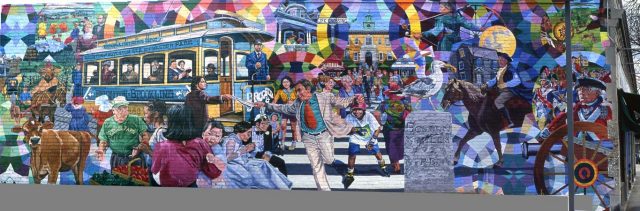
Originally farmland, the area was built up in conjunction with Coolidge Corner. A visual history of the area is recorded on four large, outdoor murals on Harvard Street, paying homage to the Jewish immigrants that settled there in the early 20th century as well as the more recent Asian and Russian immigrants who now call JFK Crossing home.

JFK Crossing provides a great deal of shops and services. The neighborhood includes many national chains. There are also many independently owned craft stores and shops, where shoppers can find a variety of gifts, music and art. JFK Crossing also has many nail and hair salons, dry cleaners, and an array of kosher restaurants.

Getting to JFK Crossing from Boston

By subway, take the C “Cleveland Circle” train on the green line to the Coolidge Corner stop and walk up Harvard Street for approximately 5-7 minutes. Or take the B “Boston College” train to Harvard Avenue stop and walk south on Harvard Street for approximately 10 minutes.

By bus, take the #66 bus from Dudley Station to Harvard Square via Allston and Brookline Village.

Metered street parking is available on Harvard Street.


Brookline Village Shopping

Located around the intersections of Harvard Street, Washington Street and Boylston Street (Route 9) just west of the Emerald Necklace, Brookline Village is the town’s oldest shopping and business center. Originally a farming hamlet known as Muddy River, the area became a transportation hub with the construction of the Boston and Worcester Turnpike in 1806 along the current Route 9. In 1844, the town hall was relocated from the old Town Green area (around the reservoir today) to its current location on Washington Street. The area was further built-up following waves of German and Irish immigrants starting in 1848.

Following the Civil War, the Village expanded up Washington and Harvard Streets. The wooden buildings lining Brookline Village were replaced with panel brick buildings. This style would become extremely popular for the commercial buildings in the neighborhood. In addition, residential properties saw an increase in development, with houses built in the Queen Anne, Colonial Revival and Shingle styles throughout Aspinwall, Kent and Cypress Streets. In contrast, triple-decker style homes were built on Boylston, Pearl and Emerald Streets.

Historic firsts involving Brookline Village include the first public bath and municipal gymnasium, as well as the building of the first electric car in America in 1891 at the Holzter-Cabot Company founded by German immigrant Charles Holzter.

Today, the Village is home to many restaurants, antique shops, children’s stores and cafes. It is also home to Brookline’s Town Hall, Police Headquarters and the main branch of the Brookline Public Library. Although much has changed since its inception, Brookline Village maintains the look and feel of a traditional village, blending old and new businesses into one neighborhood.

Brookline Village offers an array of places to shop. There are local book stores, spas, boutiques, and toy stores. Village Baby offers a collection of baby clothes, while Sara Belle has beautiful clothes for women. There are many services available such as cleaners, jewelers, florists, barbers, and hair salons, including Village Hair Design. Gateway Arts offers an interesting craft store and art gallery. A variety of yoga and Pilates studios are also available in Brookline Village.

Getting to Brookline Village from Boston

By subway, take the D “Riverside” train on the green line to the Brookline Village stop.

The #66 bus (Dudley Station/Harvard Square) runs along Harvard Street and stops in the Village.

Metered street parking is also available.


Christine J. Barbuto Killed At 32

Christine J. Barbuto

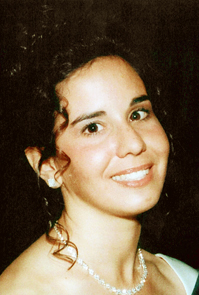
Christine J. Barbuto was one of those people whom everyone else wanted to be around. Her friends from the University of Rhode Island recalled how they hung out in 106 Barlow Hall, where she lived with Jennifer Tice in her freshman year. Erik J. Granskog, a college friend, spoke of the good times they had “playing charades, wearing stupid hats, watching “Cheers,” dancing and singing to the Violent Femmes over and over, inventing silly drinking games.”

Dianne Walsh, one of Ms. Barbuto’s two older sisters, recalled an old family tale: when someone praised Ms. Walsh’s singing at a concert, Ms. Barbuto asked, “How long have you had this problem with your hearing?”

“She was probably 9 at the time,” Ms. Walsh said.

Ms. Barbuto was also a practical joker. Her former roommate, now Jennifer Tice- McClain, said the two of them would hide behind the curtains when they saw male students heading for class and make catcalls until they turned red and ran.

“The sad thing is that Christine and I were not done being roommates,” Ms. Tice- McClain said. “We always joked about how we were going to live together at the same old lady home and put Ex-Lax into the brownies and Saran-Wrap the toilets.”

Ms. Barbuto, 32, of Brookline, MA, was a buyer for the TJX Companies and was on American Airlines Flight 11 on Sept. 11.